Showing posts with label Advice. Show all posts

Thursday, January 11, 2018

Conflict in 2d20

(Or as I like to call it, The Infinity Engine1)

Now that Infinity is finally in the hands of Kickstarter backers, folks are gearing up to run and play their first games. It's an exciting time!

This boy is very excited, and not at all asleep.
But with that excitement comes questions. Infinity has a couple subsystems - Acquisition, Combat, Hacking, Psywar - and this can seem kind of daunting at first glance. Systems like Shadowrun have trained a lot of gamers to brace for radically different mechanics in these subsystems, and while there can be merit to that approach, it understandably rankles people, and/or turns them off to the game.

"It's all one system. Learn one, and you know them all."

Understandably, some people have been asking about the different systems in Infinity, trying to make heads or tails of them. To that end, I've prepared this simple guide, but the most important thing to remember is that it's all one system. Learn one, and you know them all.

What do I mean by that? Read on.

The Core Mechanic

If you wanna do something in a 2d20 game, you roll... 2d20! Or 3, 4, 5, d20s, if you feel like adding extra dice to improve your odds, usually done by increasing Heat. You add the attribute and skill appropriate to the test together, and anything that rolls at or below that number is a success. Hooray for success! If you get more successes then necessary, you generate Momentum, which can be used to do all kinds of neat stuff. 

So that's the core. Pretty simple once you've done it a time or two: there are options at every stage, but it's as simple as:
  1. Pick up your dice
  2. Roll those dice
  3. Compare results to a target number
... which should be pretty familiar to people who roll dice.

The Conflict Engine

The core mechanic can get you through just about anything. Depending on your playstyle, you might never use anything else. As an aside, I've absolutely run games with very story-focused players where treating Ballistics like any other skill check was the way to go2. But we have these cool systems, and it'd be a shame to not use them. Thankfully, they're pretty easy to get the hang of as well.

Let's say that you have an obstacle, and you want to remove it. Great, let's inflict some damage; that'll do it. The setup here is basically the same.

  1. Pick up your dice
  2. Roll those Dice
  3. Compare results to a target number
...with some added steps. In Infinity, damage is usually 1+ the total of your [CD} (those are the fancy d6s). So we need to roll those too.
  1. Roll some fancy d6s (non-fancy is actually just fine)
  2. Add up all the ones and twos, and note the sixes (those are Effects)
And that's it for your roll. Then we do stuff with it! 

Stuff

In general, conflict follows a simple process:
  1. Take your Damage
  2. Subtract [Soak]
  3. Apply Damage to [Stress]
  4. Possibly add [Harms]
Stress is your incidental damage track. Like HP in D&D or video games, losing it doesn't do anything, but it gets you closer to bad stuff. Harms are your bad stuff: you get them when you run out of stress, take more than 5 damage in a single hit, or both.

And that's it! Now you know everything.

But Killstring, weren't you going to explain combat, hacking, etc?

Yep! And I just did.

Because those are all the same.

Let's say you wanna punch an evil alien. It's pretty evil, so it deserves a sound thrashing. Just follow the above steps. Armour (and maybe Cover) is going to be your Soak, Vigour is your Stress, and Wounds are your Harms. 

But let's say you wanna instead, hack into a soda machine, to get some free soda. Rad. Follow the above steps. Security (and maybe interference) is going to be you soak, Firewall is your Stress, and Breaches are your Harms.

Rinse, repeat. Once you recognize the system, you can quickly handle all the subsystems. Even Buying gear is the same. To paraphrase Nathan Dowdell (who wrote the thing), you can think of a purchase as an attack against your own resources. The item's Cost is your damage, your Earnings is soak, your Cashflow is stress, and any Shortfalls are Harms. And if you wanna go nuts, Assets are kinda like Reloads. :D

How many d20s will this get me? "All of them, Mr. Okada." Then let us make it rain.

And that's basically it.

But what about Psyops, Quantronic Zones, all that stuff?

It's important, sure! But it's still the same thing. 

Physical combat takes place in physical zones. I'f I'mma punch the aforementioned evil alien, I need to walk over to them to do it. Same thing with Quantronic or Social zones. 

Think of it like a dungeon crawl. If the goal is for the adventurers to open the treasure chest, they don't just roll Knowledge: Dungeoneering and get the chest, right? They go through rooms. Some of those rooms have traps. Some of them have baddies to fight. Some have secret passages. 

A big hacking job is the same way. Literally. Draw up a cute little zone map. Decide what connects. Put some stuff in it. The hacker travels from their entry point, to the treasure chest, overcoming obstacles on the way.

Psyops are pretty much the same as well. It gets a little more abstract, but it's basically a social network dungeon crawl.

But Killstring! What if I don't want to do a dungeon crawl for every hack or persuasion?

Then you shouldn't. Honestly, if you do want to, you still maybe shouldn't. Would you model every fight as a dungeon crawl? If I want to just punch this guy, can't I do it? He's right there. Same logic applies elsewhere. There's no need to do a big Psyop to gain access to the CEO of SuperEvilMegacorp, if they're standing in the same line at the coffeeshop, right? I can just start talking. 

The extra systems are ways to do full-on infiltration runs in every aspect of the tripartite battlefield of Infinity. And another way that the combat system = hacking = social. 

Once you get a good feel for one, just keep in mind that the others are pretty much the same. If it ever gets confusing, go with what you know, and work backwards. I know plenty of folks have extensive dungeon crawling experience: put that to work in your hacking runs! I bet you'll be pleased with the results.

Anyway!

I hope that this was useful and/or entertaining to folks. Please feel free to comment or hit me up on G+ or Twitter if I can help clarify anything.

May your games be epic, and not too exhausting to run. 

Be excellent to one another
~Kilstring

* * *

1 - I am so sorry (I am not sorry).

2 - "I wanna shoot the mook in their stupid head." Okay, roll Ballistics, difficulty 1. "Two Hits!" You have shot them in their stupid head. It is now much stupider, due to ventilation. Bye-bye, mook. "Hooray!" Sometimes, that's all that you need.

Friday, August 25, 2017

The Biggest Mistake Indie Artists Keep Making

How's that for a clickbait title? Completing the series discussed here, and really hammering home something that made my life harder than it had to be in my old career.

You’re a smart artist. You’re savvy to social media, promotional techniques, and how to carry yourself like a star. Most importantly, your craft is on point; people want to see you perform, promoters want to book you, and everybody wants to buy your merch.

Awesome.

How hard are you making it for them?

Full-Contact Promotion

Let’s say that I’m a concert promoter, and I want to book you for a show. How do I get in contact with you? DMs on Twitter? Facebook Messenger? Leaving a comment on your Instagram?

Because if that’s the answer, you’re missing out. Friend of the Blog1 Jonathan Killstring had this to say:

“Back when I was a concert promoter, I was the crazy young kid, because I’d actually talk to people through MySpace, which was the big platform at the time. Even then, I preferred to do everything in email. Booking agents, other promoters, tour managers – everybody used email. Back then we had Blackberries, today it’s smartphones, but it’s the same thing; a contact email for the band — one that people actually check — is what people in the business are looking for.”

If you’re not making it easy for people to contact you, you’re making it hard.

Don’t make it hard.

Centralize

Make an email address. One Email Address. YouOfficial at Gmail dot com is probably available, so stop reading and go register the address. We’ll wait.

You back? Awesome.

Once you’ve established your primary contact email, use it for everything. Talking to a promoter? Official address. Ordering Merch? Official address. Setting up an interview with a college newspaper? Ordering CDs? Purchasing online promotion?

You get the idea.

Make it Easy

Using your primary email for everything means that it’ll be in your contacts’ address books, making it easier for them to reach out to you in the future. Still, there’s no substitute for making that easy in the first place.

Plaster this thing. Your website, Twitter, Instagram, YouTube – if someone’s looking at a site affiliated with your band, they should be able to find your contact info. Don’t hide it under paragraphs about your influences – put that ish right up top.

People trying to contact acts aren’t looking to waste time checking messages across platforms, and if it’s not easy to get a hold of you, they’ll find someone who makes it easy. Basically,  the more effort someone has to go through to contact you, the more likely it is you’re missing out on gigs, press coverage, and other opportunities. Heck, you’re probably missing out on concert attendance and album sales.

Don’t make it complicated. Have a dedicated “contact us” section with your email.

The Ball’s in Your Court — Don’t Drop It

This should go without saying, but we’ll say it anyway; if someone gets in contact with you, for the love of all that’s holy, don’t leave them hanging. Get back to people within 24 hours, even if it’s just to say “I’m thinking about it.”

Make life easy for industry professionals, and they'll happily return the favor. Make life harder for them, and they'll be more likely to find someone who won't. 

* * *

1 - At this point, I was pretty sure they weren't going to pay me, and it was starting to show. It is possible that I am no longer a friend of the blog. /kanyeshrug 


Thursday, August 24, 2017

Getting Sponsorship for Indie Musicians

The penultimate entry in the series discussed here. 


Sponsorships. Nothing says big-time like an endorsement deal. It's for the big-time, established acts, so obviously, independent musicians shouldn’t even bother. Right?

Wrong. Very, very wrong.

“We’d get sponsorships for our bands all the time, even the ones who weren’t signed” says former concert promoter/artist manager Jonathan Killstring1. “Sometimes, it wasn’t even a specific thing; we happened to know somebody at an energy drink company, or people from a soda company just liked rock music, and told us to figure something out.”

Sponsorships are out there; it’s just a matter of asking.

If you’re interested in reading more on the topic, Simon Tam’s book “How to Get Sponsorships & Endorsements” has some good, common-sense advice2, and the Kindle version usually goes for about $4. For now, here’s the basics you’ll want for getting started.

Your Packet

If you want a sponsorship, you’ll want to speak your target’s language. That means putting together a packet; a nice digital file (usually .pdf), and a high-quality print version. It doesn’t matter how great you are – if they only take physical packets, your email’s not getting you anywhere.

To that end, here’s the format you’ll want to use.

1: The Cover

It should look distinctive; not too busy. Your band logo’s probably all the art you need, but consider tailoring it for each company you send it to; something like “2017 [Band Name] [Company Name] Sponsorship Proposal” should do it. Give them the opportunity to think about working with you.

2: Your “One Sheet”

If they only see one page, this is it. A dramatic, pro photo, major stats/accomplishments, press coverage,  or the big winner: testimonials from existing sponsors. You’re answering the question “what can this artist do for us?” Make sure that they read the answer as "expand our brand awareness, making us fat stacks of cash."

3: Partnership

Here’s where you go into more detail on how the sponsor benefits from working with you. Why are you a good fit? Remember, this entire thing is meant to make someone else's job easier; you're taking some of their advertising burden off of their to-do list.

4. Fact Sheet

What, exactly, are they sponsoring? A tour? You in general? One event?

Make sure they’ve got the details. Be specific: who/what/where/when/why – don’t leave them in the dark. You’re here to get them exposure, which will turn into profits; spell out exactly how that happens, and what you expect them to do on their side.

5: Key Marketing Information

This builds on the last category. As an artist, you represent a niche market; demographics that your sponsor is going to want to reach. Know your audience, and be really clear on how your branding works; if you’re a horrorcore rapper, you’re not going to rep their product in a family-friendly way.

Then again, death metal babies need diapers too, so you can always give it a shot. Everybody wants to go viral, so marketers are much more willing to try unorthodox solutions than they were in years past3.

6: Co-Branding Opportunities

3-5 pitches on how this could work in practice. Illustrate how this could work; let them see how working with you can expand their reach to your demographic. This will make you stand out from the crowd; marketing departments are always trying to get at hard-to-reach demographics; you represent that opportunity. Let’m know.

7: Benefit List

This should mostly be a recap; by now, you should have shown why they benefit from sponsoring you.

Spell it out anyway.

Focus on the custom benefits — go beyond simple logo placement — but cover everything. This is basically your formal offer; be clear on what they get for their expense.

8: The Sponsorship Agreement

Make it easy to fill out and return. If physical, including a SASE, and printing the agreement on carbonless copy paper — so they can tear off a copy for themselves, and send one to you — makes a nice touch, as does a QR code for the digital version. Can't stress this enough; make this part as easy as you can manage.

It’s Within Reach

Musicians represent a unique opportunity for marketers; don’t sell yourself short! There’s room for you in the sponsorship game, so step up and claim it!

* * *

1 - Man, this guy was such a quotable source! Can you tell that I'd gotten a little punchy by this point?

2 - It's a little outdated, but provides a nice outline. Probably worth four bucks if you're interested in the subject, though it's nothing you couldn't find online with some searching.

3 - Obnoxiously so. "We need a viral video" is like saying "we need a hit song," only with far less likelihood that prior success is an indicator of future behavior. Still, mention that you've got "viral potential," and watch eyes light up. Don't overdo it, but plant the seed.

Monday, August 21, 2017

Maximizing Profits for Musicians

Continuing the series discussed here. 


Time was, it wasn’t cool for musical artists to talk about business. In fact, “business” was seen as a universal evil, synonymous with selling out, a lack of talent and street cred, and a whole other slew of negative traits nobody wanted associated with their act.

Hip-Hop changed all that.

From P. Diddy to Jay-Z, 50 Cent to Drake, the hip-hop artist-as-mogul is an enviable image; a symbol of power, independence, and savvy. But even if you’re not in the hip-hop scene, remaining willfully ignorant of how your music makes money doesn’t make you a rebel; it just makes you ignorant.

With that in mind, here are some tips to make sure the business side of your artistic career is holding up its end of the bargain.

Make it Easy to Pay You

Not just for your merch table, but for promoters, venues, etc. Take cash, sure. But if you’ve got a smartphone or tablet (I’m assuming you do), getting a card reader of some kind (Square, Paypal, etc.) is super-affordable, and stupidly easy. And that’s not even getting into online pay options, like Paypal1.

On that note; Venmo

Whether it stays hot or not, Venmo is blowing up right now; probably because it’s super-easy to send money with.  On the west coast, it’s fast becoming a verb; “Venmo me" is in common parlance. Makes sense; once you're set up, sending funds is basically as easy as sending a text. Not only is this a great way to get paid for merch, gigs, etc., but if you let people know that you accept tips via Venmo, you’d be surprised how much extra cash shows up after each concert.

Up Your Merch Game

Really? This again?

Yep.

If it seems like we talk a lot about merch here, it’s because it’s the least-understood revenue stream for indie artists, and one of the most potentially profitable2. According to merch inventory/POS tracking platform AtVenu, for 500-1,000 capacity venues, the average merch dollar per-head is $3.65. And while those numbers don’t scale perfectly, if you’ve got 100 people at your show, and you’re not making at least $365, you’ve probably got room for improvement.

Have a big, well-lit, attractive display; Christmas lights are great for this. Have someone at your booth as often as possible – not just after your show. Take care of your merch, and it’ll take care of you.

Live Streaming

Not just for concerts; consider live-streaming the occasional rehearsal. In 2016, Brent Morgan was making over $10k/month streaming acoustic performances from his bedroom.

Streaming is a big thing now. YouTube, Twitch, Facebook; pick a format, and get in on it. If nothing else, it's a great way to reach out to your fans, and make new ones.

Above All, Stay in the Game

For those of us in the business, music isn’t just something we do; it’s a massive part of who we are. It’s not a hobby, or a “creative outlet” – it’s our heart and soul, shared with other people. Nothing stings like seeing another talented artist get out of the game because they’re not making any money.

Spend the time to get your business aspects right, and ironically, you’ll have more time and energy to focus on making music.

Which was always the point.

* * *

1 - This also leaves a legal paper trail, which is more important than people realize. Not only can you show "yeah, this is our usual take from a show," but it makes it harder for the other side to try and pull a fast one. "Of course we paid them their full guarantee, I don't know what they're talking about!" Call people on their BS with evidence.

2 - If I could go back in time, this is what I'd be shoving down my bands' throats. The ones I was in, the ones that I managed; it was absolutely neglected by pretty much all my clients. 

Sunday, August 20, 2017

Thinking Outside the Booth: Making Your Merch Stand Out in a Crowd

Continuing the series discussed here. And paying tribute to some of the coolest stuff that I saw in my time in the industry, and a few things I wish I had.

You’ve got the standards. Your t-shirts are dope, your hoodies sell out, and you’ve even got buttons, stickers, and maybe some extra wearables at your booth. There’s no denying it; your merch game is solid.

But you want more.

Never fear, my friend; there’s a lot more to the world of Artist merchendise than we’ve covered1. Unique merch can become a conversation starter between your fans and their friends — or as we like to think of them, your future fans — as well as an avenue for the die-hard fan who already has all your stuff to keep supporting you.

It’s gonna get a little weird; let’s not waste any time.

Jewelry

Okay, this isn’t that weird. Even so, there aren't a ton of options readily available; you're going to have to get creative.

Dog Tags

For rappers, metal bands, or anybody with a song referencing soldiers, warriors, etc., custom dog tags are absolutely money. Oriental Trading Company has some good stuff for cheap, letting you put text on red, black, and other colored dog tags without ordering a ton at once. These are perfect if you’ve got a lyric that works in the format. Not always a huge seller, but distinctive and fun.

Custom Necklaces

So, this is likely to be limited-run, high-cost, custom work. But, if you’ve got a fanbase that is:

  • Big enough to support the run 
  • Dedicated enough to purchase high-ticket items…
  • …and actually able to afford them
Then these can be your golden ticket. If you don’t know anybody who does custom work, your best bet is finding someone on Etsy whose work you like, and talking to them about doing some custom pieces for your band. This can work well for all involved, and has the added benefit of getting you in contact with an artist who can make other types of jewelry, such as earrings, for you. It'll be expensive, but if you've got a market there, it's a fun, unique opportunity.

Gauges/Plugs

This is another custom item that is either a goldmine or a trap, depending on your audience. But if plugs and tunnels outnumber standard piercings or unpierced ears in your audience, they just might go nuts over these. It’s difficult to find custom plugs, but DHGate has a couple offerings, and Google is ever your friend in these endeavors. And it's a hell of an endorsement, and awesome publicity. If you've got a circular logo, this can be a home run.

Busted Stuff

No lie. If you break something during the course of your performances, don’t just throw it away – autograph it, and set it at your merch table. Drumheads are the classic here, but the point is to turn garbage into collectables; feel free to get creative.

Grown-Up Stuff for Grown-Ups

We’re all adults here; and those of us who aren’t probably want this stuff more.

Shot Glasses

A classic. Don’t neglect mugs and water bottles, but Shot (and pint) glasses tend to sell much better.

Lighters

Inkhead has some great stuff here – from disposable “gas station specials” to Zippos, flameless and electronic lighters; you can get some great designs on these little guys, and it always pays when someone asks about your fans’ cool lighter. Plus, it encourages fans to bust out the lighters during your ballads.

Other Stuff

We’ve seen all kinds of things over the years; from incense burners, to underwear of various sorts, to (ahem) “adult toys,” the sky’s the limit. Just make sure it’s something your fans will actually buy – nobody wants a box of unsold, branded adult paraphernalia sitting in their garage2.

Bespoke Merch

Tailor things to your own work. Have a song about a nasty breakup? See if you can get a custom tissue box. Spit bars about the flask in your jacket? Get some custom ones made. The only limit is your creativity, and what you can get produced, but if you make something that ties into your music, it'll sell a lot better than generic item #32.

Make it Yours

Bottom line, if you offer something unique, interesting, and unusual, it's more than just another option for your hardcore fans to support you; it's a source of word-of-mouth buzz when you're not around. Any of these should be more than enough to make your merch stand out.

* * *

1 - Somehow.

2 - True story: I used to play D&D with a punk bassist, who had a crate of panties with his band's logo on them, as well as some more... creative merch. It was funny, but it was a hell of a cash sink for the poor band.

Saturday, August 19, 2017

Getting Started With Merch — Step Three: All The Best to All The Rest

Continuing the series discussed here. Part One is here, part two is here.


We’re still droning on about merchandise here, and for good reason; it’s an integral part of how modern artists get paid. A lot of these articles assume that you’ve already got some merch, and you want to make it better. That’s all well and good, but what about artists who are just getting started with merch?

This guide aims to make monetizing your band a painless process. We’ve talked about your music, and basic wearables; and while those are the meat-and-potatoes of your merch table (or vegan soy jerky, if that’s your jam), you also want to look at different items — especially lower-cost offerings. Bottom line,  if you’re not selling these items, you’re probably selling yourself short. 

Let’s dive into the wonderful world of random swag, shall we?

Other Wearables

So! You’ve got a couple t-shirts, maybe a hoodie or two. Awesome.

But there are so many other body parts that aren’t covered in your gear. And that simply won’t do.

Hats

If video games have taught us one thing, it's that people love buying hats.

Jokes aside, there’s a gold mine of opportunity here, so long as you tailor it to your crowd. Beanie hats are always a good idea — more so if you’re someplace with cold winters, but good either way — and bandannas with your logo have countless uses, and make a nice impulse purchase. Take a look at your audience, and take notes. See a lot of snapback trucker hats? Get one with your logo on it, and watch your fans go nuts.

Sweatbands

Don’t laugh – these can be money, if you know your audience. First off, there’s the classic wrist “sweatband” style, beloved by 80’s workout aficionados, as well as drummers who hate dropping their sticks mid-song, and anyone else whose wrists are either cold or sweaty. These can be cheap, fun, and you can also get headbands while you’re at it. Depending on the style of your scene, this is either a license to print money, or a waste of it – so do your research and pay attention. But if it works for you, it’s a solid revenue stream.

Also, don’t sleep on headbands – they’re not just “Sweatin’ to the Oldies” style (though you can certainly get those too); modern polar fleece headbands are super-popular in cold-weather climates, and in certain segments of the post-hardcore scene. Either way, they’re ridiculously cheap if bought in bulk, and make a nice, unique touch for your fans.

Wristbands

Not to be confused with the above, modern wristbands — think those “Livestrong” or “WWJD” bracelets — are stupidly cheap to produce, and can go with pretty much any outfit. Drop a small version of your logo, and band name or lyric on one, and you’re good to go. 

Classic Add-Ons

If you don’t have these, get some, full stop, no excuses.

Stickers

Inexpensive for you and your fans, easy free advertising – they’re a classic for a reason. Sell’em for a buck, give’em away with CDs – it’s all good.

Buttons

Inexpensive for you and your fans, easy free advertising – they’re a classic for a reason. If you’ve got crafty friends, or cash to drop up-front, you can also buy your own button maker, and proceed to make money hand-over-fist.

Posters

Super cheap to make, easy to autograph; a staple for a reason. If you tour, do a new one for each tour; suddenly, you’ve got collectibles.

Good to Go

With these staples in place, you can set up your merch table with confidence, knowing that you’ve got at least something for every fan.


Friday, August 18, 2017

Getting Started With Merch — Step Two: Wearables

Continuing the series discussed here. Part One is here.


If it seems like we're a broken record with our discussion of merch, that's not an accident; it’s an integral part of how modern artists get paid. A lot of these articles assume that you’ve already got some merch, and you want to make it better. That’s all well and good, but what about artists who are just getting started with merch?

This guide aims to make monetizing your band a painless process. Today, we’re going to talk about wearables – t-shirts, hoodies, and other gear for the human form. Getting started can be daunting, but never fear: we’ve already made the mistakes (and talked to those who have), so you won’t have to.

Starting With Nothing, Working With Designers

First of all, starting with your logo is probably the way to go. If you don’t have a logo, or any other existing designs, you can usually get someone to make one for you on the cheap. Friends, family members, art students at the local university — odds are, you already know somebody who can:
·         Make you a killer design, and
·         Do it way more affordably than hiring a graphic design firm, professional graffiti artist, etc.
·         Will generate a bunch of hype for you, by telling all of their friends and family about the awesome band/emcee/DJ they’re making sweet art for

At the indie level, it’s all about relationships. Don’t abuse them by trying to take advantage of people — but as an indie artist, even though you’re not as established as a chart-topping mainstream star, you’re still a professional, and you still get paid for your work. Treat artists the same way, and you’ll both blow up together. Be respectful, and pay them for their work. 

Once you’ve got a design (or several), it’s time to put it on some wearables.

T-Shirts

The classic. You’ve seen them, you probably have a couple, and you know you need at least one for your merch stand. Let’s dive in.

The iconic black music t-shirt is a classic for a reason; most people can find room for a black t-shirt in their wardrobe, and they’re pretty easy to manufacture, and most designs look pretty fly on black, as opposed to other colors.

Having said that, don’t write-off the idea of having multiple designs just yet. If you’ve got some cool art that didn’t make it into the album, or a proposed logo that you didn’t like as much as the final product, here’s a great place to use them. Fans LOVE t-shirts; if you give them the option to buy different designs, many will.

However you go, you can often get shirts that feel better and cost less if you go with a lighter shirt, something in the 5.3-5.6 oz. range.

Hoodies

Another standby, especially if you live somewhere cold. Zipper hoodies are the standard, but cost a little more to produce than pullovers. Having said that, it’s best not to rock the boat when starting out; get a black zipper hoodie with your logo on it (front or back), and your fans’ll buy them.

Simple is Good

Lastly, don’t overdo it. Merch options are good, but when starting out, a lot of artists waste money on a variety of unpopular designs. Start with a few solid offerings, and slowly build up your options; soon enough, you’ll basically be a clothing line unto yourself.

Getting Started With Merch — Step One: Your Music

Continuing the series discussed here.


We talk a lot about merchandise here, and for good reason; it’s an integral part of how modern artists get paid. A lot of these articles assume that you’ve already got some merch, and you want to make it better. That’s all well and good, but what about artists who are just getting started with merch?

Bottom line; you’re a musician. People have come to hear you perform your music, and you owe it to them — and yourself — to make it easy for them to not only listen to it later, but for you to make some cash off the deal.

In the modern era, people tend to buy music in three ways:
  1. CDs
  2. Vinyl
  3. Downloads
Let's break it down.

Compact Discs

Of these three, CDs are still your best bet1. Even if your fans take them home, drop them in the computer, and immediately turn them into .mp3s, people like the tangibility of buying something that they can take home. Additionally, they’re super-easy to sign (if you’re not autographing stuff for free at your table, you’re either missing out, or playing stadiums), and still portable enough to fit in a purse or pocket.

When it comes to getting your CDs, Cravedog and Discmakers are the industry standards2, but there’s a ton of options available.

Vinyl Records

Having said that, don’t sleep on vinyl; it sounds great, it's got value as a collectible, and if you’ve got a hip(ster), millennial audience, odds are they’ve got some nice turntables among their ranks. If you can move vinyl, it’s a great way to get your band noticed – when somebody puts your record on at a party, it’s an event. That’s great publicity; anytime you can get people buzzing about you when you’re not presentis a win. Vinyl’s usually less profitable than CDs or downloads, but the people who use it tend to love it.

Gotta Groove Records, based out of Cleveland OH3, is our favorite, but again; Google is your friend. Find something you’re happy with.

Digital Downloads

“But wait,” you say, “how am I gonna sell digital goods at my merch table?” A fine question, my friend.

Here’s how.

Step One: Set up Your Downloads

If you haven’t already done so, set up your music store of choice. Soundcloud, iTunes, Bandcamp, Google Play Music – pick one. Or, if you’re using several (which you really should), pick your favorite — ideally the one with the highest profit margin for you, and the lowest price for your fans.

Step Two: Get a QR code

There’s a ton of free QR code generators online; pick one, and generate a link to your storefront of choice. Now, people can buy your music on their phones while standing in line to buy a t-shirt. Done.

Step Three (optional): Get Fancy with your QR Code

There are a couple ways to do this: individual strips (that you can autograph), a banner at your merch table, or just a cool concert poster with the QR code incorporated into the design. Printing out a setlist with the QR code for your night's concert is cheap, and provides a unique, autographable tangible artifact to go with your download.

Your Fans Want to Buy Your Music

At the end of the day, your fans are looking for ways to support you, and if they're your fans, they probably like your music. That means they'll want to buy it, so they can listen to it. Simple, right? Make it easy, make it fun, and it’ll make you money.


* * *
1 - It's worth noting that CD duplication was one of the services my former employers had monetized. That said, I don't feel like this is disingenuous; tangibility matters.

2 - No pitch here, these are the old standbys. Also, Google is your friend.

3 - As long as you live in the continental US.

Thursday, August 17, 2017

The Tour Survival Guide — Part Two

Continuing the series discussed here, and the branch from here. This is basically a shorter version of my Con Survival Guide, but it's reprinted here for the sake of continuity.


Adrenaline alone will not sustain you — spend long enough on the road, and fatigue is inevitable. So how do you avoid it? To answer that, friend of the blog Jonathan Killstring has some tips from his time touring the Midwest with artists like Sworn Enemy, MC Chris, and Foxy Shazam; he’s made mistakes, so you don’t have to.1

Follow the 3-2-1 Rule

This is a classic guideline — whether you’re going on vacation, tour, or a grand adventure to save the world, follow the 3-2-1 rule, and you’ll make it out ok.

The idea is simple. Every day, you should get a bare minimum of:

3 HOURS OF SLEEP

More is better, obviously, but this is your floor.

2 ACTUAL MEALS

With real food and everything. Cheetos don’t count. Gas station jerky doesn’t count. Your body will thank you.

1 SHOWER

Often tricky to manage, and requiring some forethought, planning, and willingness to shower super-quickly, this is nonetheless incredibly important. Not just because you’ll be sweating your butt off under hot lights every night, but because when hygine goes, sickness sets in. Nothing is worse than cancelling dates because you got a nasty cold; so use that hand sanitizer, and don’t neglect your hygine.

That goes double if you’re touring in a van with other people.

Hydrate Yourself

Water is your friend. Beer and soda don’t count. When you perform, you’re gonna sweat. Even if it’s the dead of winter, you pack people in a club, and hit the lights, you’re gonna sweat more than normal. And if you don’t hydrate properly, you’re going to wind up getting sick, or just not having the energy to perform. These people were good enough to see you out on tour; you owe it to them to make each show memorable, and you can’t do that if you’re parched.

A quick test to see if you’re dehydrated; grab a sports drink — Gatorade is the classic, but anything will do — and down it. If it tastes amazing, and you drink it in one gulp, congratulations; you are officially dehydrated.

You might want to repeat that last step a couple times.

Talc Up

Another thing to keep in mind with all that sweat, is that you’re going to get drenched. I heartily recommend preempting those problems with some talcum powder, like Gold Bond.

Laugh all you want, but you’d be surprised how many guitarists’ low stances were the product of nasty rashes. Make sure you can perform — both on-stage, and in the, ahem, after-parties — by powdering up at the beginning of your day, and maybe before you go on-stage.

A word of caution: don’t apply the highly-medicated stuff to anything resembling an open wound. There is a special sort of hell awaiting anyone so foolish.

Hydrate Yourself

Whether you're gearing up your summer tour schedule, or just prepping for an outdoor festival, you want to make it through to the end in one piece. And ideally, you want to make a good impression on people. In my travels, I haven't always managed both. Occasionally, I've managed neither.

Do better than I have done. Be the Superstar you were destined to become. Barring that, maybe just don't get sick.

~Killstring


We couldn’t have said it better ourselves2.

* * *

1 - Disclaimer: this is not actually why I made the mistakes in question.

2 - Because Killstring is our ghostwriter, but it's all good. I may have been getting a little testy about the whole "not getting paid" thing by this point. :)

The Tour Survival Guide — Part One

The series discussed here continues. 

It's time to go out on tour. You’ve booked the dates, polished your set list, and found someone to feed your cat. The only thing left to do is hit the open road, and embrace the spirit of adventure, right?

Maybe. 

Whether it’s your first tour, or you’re a veteran road warrior, there are always some factors to consider before heading out on tour.

Have a Sleeping Plan

Getting to sleep on the road is difficult in the best of circumstances, and if you (or a bandmate) likes to party, it becomes even more important. Money is tight, and hotels add up quickly, so many artists work out sleeping arrangements with friends, local acts, and occasionally even fans in the cities where they’re performing.

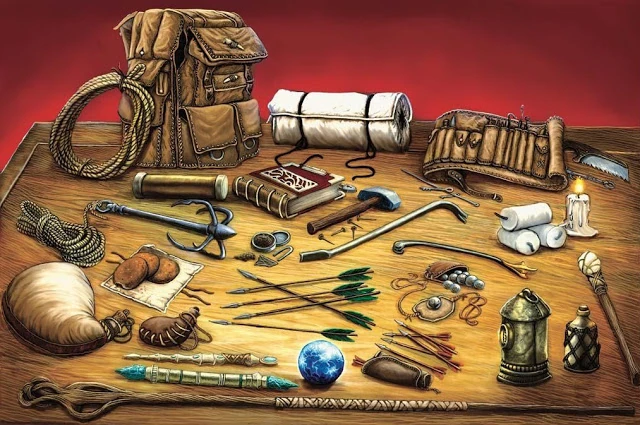
And 50 ft. of rope couldn't hurt.
Pulling this off requires advance planning, a willingness to improvise when things invariably fall through, and above all else; sleeping bags.

No, seriously. Make like a D&D character and pack a bedroll.

“I slept on so many floors — hotel and otherwise — on my first tour, my back was killing me by the end1,” says Jonathan Killstring, former tour manager (and occasional touring musician). “I always tell new bands to bring a sleeping bag or two; and they’ve always wound up needing them.”

If you’re not sleeping, you’re not going to be performing at your best. So plan ahead.

Over-Prepare Your Budget

Figure out how much cash you’re going to spend on things like gas, food, and the occasional bit of lodging. Then budget a little more for performance-related expenses.

“I was a drummer before playing guitar, and I broke a lot of strings until I learned some technique,” says Killstring. “That was an expensive first tour — but at least I got a nickname out of it2!” If your concerts involve a live band, you can assume the worst; broken strings, missing drumsticks, etc., so bring spares with you so that you don't have to scramble mid-set. This goes for props, too; if you always wear sunglasses onstage, bring a couple spares. If part of your onstage persona is a hat, scarf, whatever, bring a couple; worst-case scenario, you can toss some into the crowd for a memorable memento.

Your budget should include cash, supplies, and — this part is important — shouldn’t count on money coming in. If you’ve never toured before, you don’t really know what your cut of the door is going to be like, nor what your merch profits will be.  And even if you have guarantees, that doesn’t mean that every venue will hold up their end of the bargain3. Sure, you’ll probably get the money eventually — after the right legal threats — but that doesn’t put gas in your tank today.

Never put yourself in a position where you can get stranded.

This involves saving a lot of cash before you head out. Hopefully it’s not necessary, but a few extra shifts at your day job beats the heck out of being stranded in the middle of Iowa because you ran out of fuel.

Consider the Weather

While it sounds mundane, never ignore the effects of Mother Nature on your tour.

Driving in blizzard season? Don’t plan to travel the speed limit on freeways; odds are you’ll be going much slower, increasing your travel times. Gearing up for a summer tour? Well, you’d better make sure you’ve got working A/C, lest you arrive at the venue in need of medical care. And if you've never driven on mountain roads in fog, don't expect to make good time coming back from high-altitude venues.

Embrace the Adventure

No plan survives contact with a tour, and that’s ok. Touring is an adventure – stay flexible, open, and be ready to embrace the challenge, and you’ll have an experience like no other. “Even at its worst,” says Killstring, “I was still getting to live my dream. That’s something not everybody can say.” Touring can be grueling, but there’s nothing else quite like it. Enjoy the ride.

Seriously though, pack a sleeping bag.

* * *

1 -  FACT. I was also the guy driving. Let me tell you, nothing sucks quite like playing the drums in a punk band when you've got a sore back and haven't slept, except maybe driving all night afterwards.

2 - It was bad. At my big return home show, I called up musician friends of mine, and asked them to bring some extra guitars. By the end of the show, I was playing an acoustic with a soundhole magnetic pickup through my amp, wailing away on the 4 remaining good strings. Guitars strewn across the stage, my bassist proclaimed "Johnny Killstring, everybody," and the crowd ate it up. 

It's been my name ever since. (I did eventually learn some subtlety.)

3 - Sad, but true.

Self-Taught Fastball — Pitching for Indie Artists

Kicking off the series discussed here.

Let’s get it out of the way: asking for stuff is a pain, and it feels crummy to do. Amanda Palmer wrote a bestseller on the topic, and it can be summed up as “asking for stuff is usually difficult for artists; it’s better if you’re real with people, though.” Or, as she puts it herself, “I think people have been obsessed with the wrong question, which is ‘How do we make people pay for music. What if we started asking, ‘How do we let people pay for music?’”

Even if you’re not a fan of Palmer’s work — many aren’t1 — there’s a takeaway there. Think about it; are there any bands you like? YouTube creators, RPG writers, etc.? If you like their stuff, don't you try to find a way to support them, even if it's just spreading the word about this cool think you've found?

Why would your fans be any different?

This doesn't have to be like pulling teeth; if you’ve got fans, and you've shown you can make more, concert venues want you to perform, tour agents want to put you on the road, and labels want to sell your music. Basically, you’ve already got the main thing you need to embark on a career in music.

The key is to stop making it so hard for them2.

Email Pitches

There are a lot of resources online about writing pitch emails; and while many of them have a greasy, “sales” feel to them, there’s still a lot of good advice there. More than we can cover here, in fact, so it’s worth reading up on if you’re not confident in your ability to make a pitch.

Keep it Real

We can’t stress this enough; in your music, in your promotion, and in your pitches — authenticity matters. Former industry professional Jonathan Killstring3 doesn't mince any words on the topic4: “It didn’t matter what side of the equation I was on; playing, promoting, whatever... it felt like there was always somebody trying to trick me.”

“It was so refreshing when somebody would be straight-up and honest with me,” he adds. Promoter and artist manager Terry Coughlin agrees. “So many people are trying to pull a fast one on you in his business,” says Coughlin. “You’ve gotta be on your toes.” When speaking to industry professionals, avoid the try-hard hyperbole, and overused sales tactics, and just be yourself. It’ll be a refreshing change for the people on the other end of your pitch5, which means they'll be more likely to work with you in the future.

Win First, Then go to War

It’s like Sun Tzu said. Do your research ahead of time; if you’re going to send out 50 emails, get everybody’s contact information organized ahead of time. Know who you’re writing, and why. Nothing gets ignored more quickly than a form letter, but if you actually show that you know who your target is, they’re more likely to pay attention.

Clarity

Know what you want, and ask for it. If you’re clear, they’ll be clear in response. Promoters need to book bands, managers need clients; everyone you're talking to needs some amount of what you have to offer. So show them how you can make their job easier, and you'd be surprised the opportunities you can find. People don’t like saying no, but first you have to ask. 

Seriously, You Have to Ask

Don’t make a pitch with no call to action – if you want them to book your band, say so! If you want a sponsorship, tell them! Emails that consist of “aren’t I great?” go nowhere. Make it easier for the recipient; if they don't know what you want, how are they ever going to give it to you?

Remember: You’re Here to Help

When you’re pitching to someone, they have a job to do. Your goal in the email is to answer their question, “why do I care?” Know their job, and find a way to make it easier. Explain how you're offering something that they need, and why they should believe you. Tailor your pitch to the person who's receiving it.


Do that, and your pitches will go much, much better.

* * *
1 - I am.

2 - So, as a former concert promoter, band manager, tour manager, and somebody who worked with a couple different labels, let me assure you; the above isn't hyperbole. I had my own preferences, sure, but at the end of the day, I had a job to do. Bands that could help me do that job got called back.

3 - Expect a lot of this; I was ghostwriting, which meant that I could always rely on me as a source. I've decided to keep this artifact of the style, as I find it illustrative. And far more legit than a lot of attributed quotes in press releases, though that's another can of worms entirely.

4 - I am absolutely mincing words here. It was fucking vile.

5 - This whole series was basically a list of things that would have made me happy in my old job. My co-workers too. I got out of the game, there's no gimmick here; just some stuff that I hoped - and still hope - might be useful, based on my perspective.

Friday, June 30, 2017

Killstring's Con Survival Guide

Here in the heart of Con season, as I get ready to head out next week for my trip to CONvergence in the Twin Cities, my thoughts drift to conventions, festivals and tours I've been on in years past. Specifically, how I've been a blithering idiot who doesn't take care of their own body, leading to unplanned "lamentation days1" in the midst of what should be an otherwise enjoyable sojourn; or worse, a work trip where I'm supposed to get onstage and entertain people, but I'm too busy lamenting to really hold up my end of the bargain.

Don't have a day of lamentation2. Be prepared for your advenutres.

The 3-2-1 Rule

I didn't come up with this one, and I'd recommend being a bit stricter, but this is a classic expeditionary guideline. The premise is simple; while on your adventure, every day you'll get a bare minimum of:

3 HOURS OF SLEEP

2 ACTUAL MEALS

1 SHOWER


No exceptions.

Let's work our way up that list. 1 shower/day isn't a lot to ask; and it's not just about mitigating your powerful Con Musk. Hygine plays a big part in health, and when you're traveling and meeting lots of people, you can't afford to cut corners. Just take a look at this list from the CDC - that's a big 'ol pile of nope right there. 


If you're thinking "but Killstring, this clearly doesn't apply to me," then you are heading for lamentation my friend, and probably stinky to boot. Even if you don't get sick, you're contributing to the general Con Misasma, and ain't nobody needs that. Be the hero we need, not the one we deserve.

As far as food goes; your body needs fuel. Running on sugar, caffeine,  and enthusiasm - all of which are likely in ample supply - will only get you so far; eventually, you're gonna crash. As you get older, you're likely to crash sooner, but nobody's immune to this stuff. Gettin' protein is key - especially for vegetarians like myself - so now's the time to actually look at the nutritional information of your food, and make sure you're hitting your protein goals for the day. And if you don't have protein goals, 50 ain't the worst number to aim for.

Remember to sleep! Personally, I recommend no fewer than six hours of sleep - eight if you can manage - but I'm a bit biased from being the primary driver on tour; one of the many benefits of being "the straight-edge one." If you're not drunk, sometimes that means you get to drive at 4 AM several nights in a row. Good times!3 So yeah, I recommend more, but if you're looking for an absolute minimum baseline, this'll do. 

Be smart. You're already asking a lot of your body, don't be a jerk to it on top of everything else.

"But It's Cool If I Just Do Cocaine Instead, Right?"

If you are actually asking this - hi buddy! It's been a while. You owe me thousands of dollars, and I think the DA wants to talk to you. 

For the rest of you; I've seen people push themselves through difficult patches with various stimulants, ranging from over-the-counter, to hilariously illegal - and this is a poor decision roughly 100% of the time. This isn't me judging you4, this is purely from the perspective of a grumpy former tour manager; your high will string you out, abandon you at the worst possible moments, and not only will you regret it, but so will everybody else around you. Keep your recreational stuff recreational; don't use it to substitute for your body's actual needs. 

I hope that's all that needs to be said on the topic.

Hydrate Yourself.

Water is your friend. You are almost certainly not drinking enough for your upcoming adventure. If this is still unclear, see the next point.

Beer (or Soda) Doesn't Count

Man was a legend in many ways.
I don't drink, but plenty of people do. And when there's cause for celebration, people partake of libations. This is good, and fine, and lovely - but for the sake of all that is good and pure, take care of yourself out there. One of the most common mistakes that I've seen a lot of young bands make is assuming that Feeling Good Tonight equals Definitely Gonna Feel Good Tomorrow, and that's absolutely not how it works. Not everybody can be Dimebag Darrel - and even he had some tricks up his sleeve:

On the same note: When you wake up and you’ve got a gig to play but you’re still half drunk and hurtin’ big-time, you’re gonna be dehydrated. The best thing to re-hydrate yourself isn’t Gatorade — it’s Pedialyte, the stuff they give to kids when they’re shitting in their britches! So, get yourself some Pedialyte, get yourself some water and then go for the cheap Mexican food. That’s a survival trick that’ll get you back on the right track. 
~ Dimebag Darrel, Guitar World, 2000

While I don't recommend you actually try Dime's method here - my observation indicates that results can vary wildly - the key is to quickly remedy any problems, and try not let yourself get that bad in the first place. Personally, I prefer the Killstring Sports Drink Test, which is a simple barometer.

The Killstring Dehydration Test


Step One: Acquire a sports drink. Gatorade is the classic, I prefer Powerade Zero, but anything that looks like antifreeze and promises nebulous athletic superiority will do the trick.

Step Two: Drink that drink.

Step Three: How did it taste?
  • Okay - You're probably not dehydrated
  • Pretty good - You're headed for trouble
  • SERIOUSLY AMAZING - You are dehydrated
Figure it out from there. 

Combat Swampy Nether Regions With Superior Alchemy

For real, though. For cons, festivals, and summer concerts - on both sides of the stage - you're going to be around a lot of other humans. Sweat is going to occur. 

SCIENCE CAN HELP.

Get yourself some powder, and after your shower (see the 3-2-1 rule), apply said powder to the places most likely to accumulate sweat and funk. Then marvel in amazement as they don't really do that, instead feeling like crisp mountain air, a soft summer breeze, or a gentle ballad, sung by the worlds only genuinely helpful Sirens - but in your nether zones.

A word of caution: I'mma just come out and say it; applying the super-medicated stuff to your most sensitive bits is not actually a good idea, my friends. A little bit of your standard product is good - recommended, even - but heavy doses of the seriously medicated stuff will instead provide a special kind of torture to what should be your happy place.

Don't make it a sad place. Be reasonable.

I like Gold Bond5 myself, but any kind of athletic/baby powder will work. Just make sure that if you're getting the advanced stuff (Gold Bond's green bottle, anything that's used to treat nasty rashes) you know what you're getting into.


CONquer Your Summer With Bad Puns!

Whether you're gearing up for conventions, festivals, or your summer tour schedule, you want to make it through to the end in one piece. And ideally, you want to make a good impression on people. In my travels, I haven't always managed both. Occasionally, I've managed neither. But you can do better; avoiding lamentation, swampy nether bits, and horrible infectious diseases. 

Do better than I have done. Be the Con Superstar you were destined to become. Barring that, maybe just don't get sick.

Happy Adventuring!

~Killstring


TINGLY SENSATIONS
ARE NO CAUSE FOR ALARM
* * *

1 - Deydration sickness, migraine-like symptoms, nasty indigestion, or just flat-out exhaustion; you name it, it's happened. Lamentation comes in many different forms, and they all suck.

2 - Seriously, don't.

3 - Actually, yeah. Yeah they were. Miss you drunk jerks.

4 - That part comes later!

5 - Yep, that is absolutely an Amazon Affiliate link, because the thought of this blog as a shilling site for NETHER POWDERS is entirely too amusing to me. I hope it trends, and screws up all of my metrics.

NETHER. POWDERS. Gods, I'm like, five years old over here.

Thursday, June 15, 2017

Somewhat-orthodox inspiration: risk in game design


It's no secret; I play a lot of video games. Something about the medium clicks for me in way that watching tv or movies never really has1. I also adore taking inspiration from digital games, and putting them in analog ones; whether that be in published writing, or in adapting an existing game's story or themes as a GM, it's one of my favorite go-to techniques.

So yeah. Games.

In trying to figure out my preferences, I came across an interesting realization; namely, a strong preference for risky games. Now, I don't mean risque, or niche necessarily, but rather games that try something new, different, innovative. More often than not, I'm happier with a game that tries a lot of interesting things, fails at a bunch of them, and ships buggy as hell, than I am with a competently - even excellently - executed version of something rote, or routine.

I like risks. Unsurprisingly, I really like Obsidian.

They make video games! Not out of actual obsidian, as far as I can tell; that'd be dangerous. Completely rad, though.

Big Risks, Big Bugs, Big Deal

I want to focus on three of Obsidian's games; KOTOR II, Fallout: New Vegas, and Tyranny. 

I love these games. They're both clearly follow-ups to, yet remarkably different than their predecessors (KOTOR, Fallout 3 - or Fallouts 1 & 2, if you prefer - and Pillars of Eternity, respectively), and I find that I love them for different reasons. 

KOTOR II was, by most accounts, a disappointment when compared to the first. Honestly, that's no failing; as a sequel to what's become an all-time classic video game RPG, clearing that bar was always going to be an uphill battle, but doing so on a rushed timeline was a recipe for disaster.

But what a beautiful, messy disaster it was. 
Darth Spooky

A Star Wars game written by a dude2  who admittedly hated The Force - or at least, the concept of destiny, of predestination baked in - wrote a thoughtful narrative about destiny, and what it means to embrace or reject it. It actively, and unabashedly challenged the notions that Jedi are, in fact, good people. Early in the game, there's a scene where the main character uses a Jedi Mind Trick3 on an NPC, and your companion, Kreia, illustrates how that could have unforeseen consequences down the line. It's a compelling challenge, not only to the assumptions of the Star Wars universe, but how players behave in RPGs, digital or otherwise. There tends to be an assumption that protagonists are good, so what they do is good - especially if their intentions are likewise good.

And while we might like that to be the case, it really isn't.

Mind-Control is, admittedly, one of the most terrifying powers I can think of; having it applied to me would not only make me do something I might not want to, but entirely dismisses my existence as a person - stripped of personal agency, I become a thing, to be manipulated as someone else sees fit.

Objectively speaking, the Influence power is the most evil thing a Jedi can do - at least you could use Force Lighting to spot-weld.

The first KOTOR was a brilliant game that made me fall in love with Star Wars all over again, But KOTOR II made me genuinely examine the actions of my heroes - both those I watched on the screen, and those I wrote or portrayed - and genuinely question their actions and morality.

I'll take a lot of bugs, if that's what it gets me.

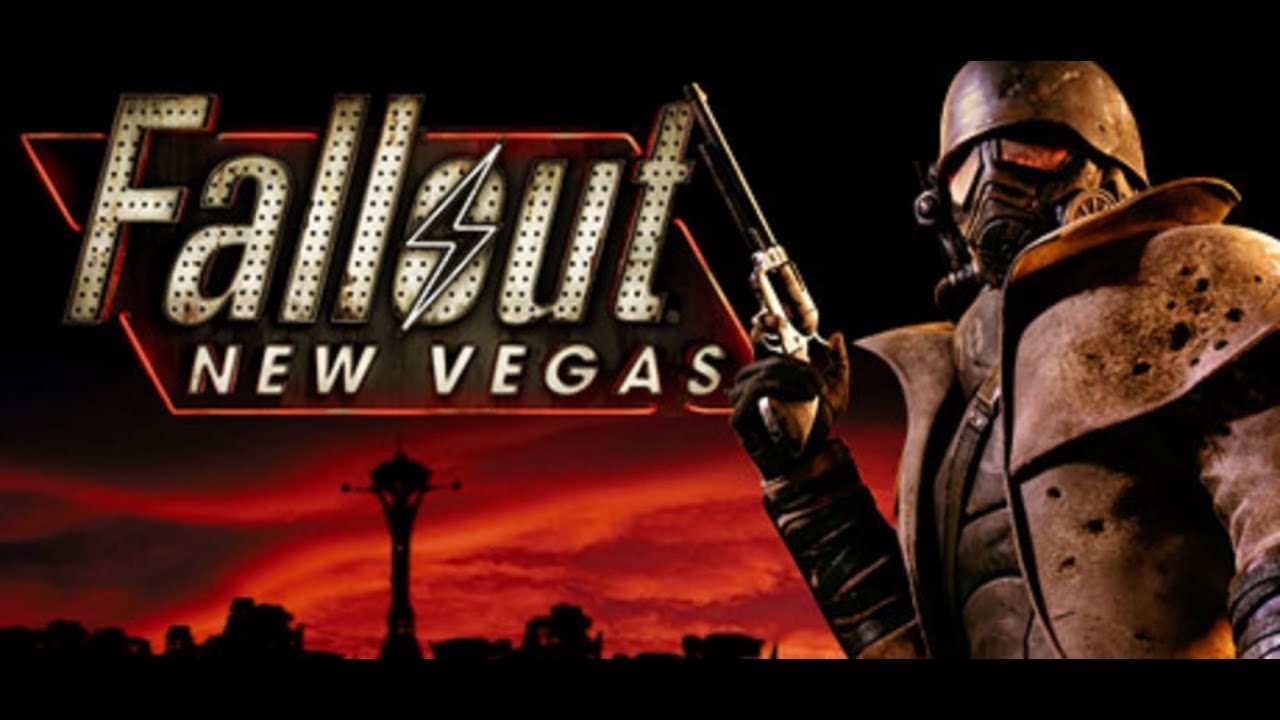
Welcome to New Vegas! It's buggy as hell, but you (hopefully) won't mind.
In a similar vein, Fallout: New Vegas stood on the shoulders of a buggy game (Fallout 3), and went farther. And while, yeah, sometimes a mutant rat-thing would get stuck inside the terrain, but in addition to gameplay improvements, and a myriad of interesting quests, the thing that really stood out to me, was the degree of reactivity. There are several factions in the game - two big ones (three if you count Mr. House), and a smattering of minor players - and they genuinely feel like groups that could exist, that people would actually be a part of.

More importantly4, these factions all feel like they exist when the character's off-screen. Too many entities in fiction feel like they're defined in terms of the protagonist. And while there's nothing wrong with that, too often it leaves a cardboard cut-out feel to the world. Not so in New Vegas, where every settlement has a visible water supply that could feasibly sustain the population. Sure, everybody wants you to do stuff - you're still the protagonist, and that means results - but very little feels like it couldn't exist without you.

If that means I occasionally crash my system, I can live with that.

In Tyranny, there are two primary risks being taken (at least to my eyes):

  1. The setting. When you have a tagline like "Sometimes, Evil Wins5," you're setting expectations. The protagonist is in the employ of a conquering overlord, and brutal subjugation seems to be the order of the day. Not your typical RPG fare.
  2. Reactivity. The game gives multiple options for who to ally with or betray, and it plays out rather differently based on those choices. I missed out on an entire section in my first playthrough, and that's par for the course, as far as I can tell. It's not so much one plot, as four or five
So. Challenges! Did they pay off? Ultimately, I'd have to say yes; though the game has its challenges, I found it a rewarding experience. Ironically, I'd say that its two biggest risks didn't quite pay off - after an amazing prologue where you conquer a province during character creation, the game felt a little too much like other isometric RPGs for my tastes; the setting whetted my appetite for something truly different, but it ultimately felt too similar to its peers to me. In addition, the reactivity - attempting to model the dynamic nature of a good tabletop RPG - felt like it came at the cost of depth. I could be in the minority here, but I kind of wish they'd spent more time on polishing what was there, rather than creating different paths.

Having said that, I really like the game. The setting does a great job of priming the player for difficult choices with no good answer. Once those expectations are set, it does a lovely job of delivering on that particular promise.

Takeaways

But this isn't a review blog; we're here for hot RPG & fiction tips, and pictures of chinchillas. Let's get one out of the way right now.
Hello, friend!

On the story-crafting side, there are some strong takeaways too.

KOTOR II inspires me to examine the actions my protagonists take, and to consider their effect on the larger world. Also, to consider the effect that charismatic, magnetic individuals have on those around them, and to really challenge the Calvinistic notions of destiny prominent in so much fantasy literature.

FO:NV inspires me to consider what the world looks like when my heroes aren't interacting with it. Do my antagonists exist except as foils for the protagonists? What if the heroes never crossed their path - what would they be doing? Also, to consider how my cities are getting enough to eat and drink - this stuff matters, and ignoring it can be a huge blow to immersion.

Tyranny inspires me to consider the context in which a character's actions and decisions occur. Expectation violation is a huge letdown for an audience, so properly calibrating for any tough choices ahead is probably wise. Also, admittedly, remembering to focus on what is occurring, rather than what could be.

The media we consume shapes what we create. I sometimes find it useful to examine why I enjoy the things I do, and see what I can learn from them. With any luck, you've found it (at least a little) useful too!

Be excellent to each other.
~Killstring

* * *

1 - There's a longer discussion to be had on this topic; contrasting passive entertainment - defined as something that requires no participation from the user, such as a film; and active entertainment - something that requires some degree of participation from the user, whether that be envisioning the text when reading a book, providing input and control when playing a video game, or contributing in whole to the end result, as in playing an RPG. 

I prefer active, and consider RPGs to be the most active form of entertainment that's readily available to most people. The required investment is higher, but when it's working well, there really isn't anything that can compare.

2 - Chris Avellone, who is someone I shall say little about, lest I reveal myself as a swooning fanboy. Let's just say that he is very good at his job, and someone I am routinely inspired by.

3 - I could be misremembering this - it's been a long time since I played The Sith Lords, so it's possible I'm conflating two events into one. Either way, the concept holds. Also, if you're a huge nerd like me, you correctly identified that the power is called Influence. Hi, fellow nerd! Did we just become great friends?

4 - To me, anyway.

5 - This game came out in November of 2016. I passed on it at the time, as it was a little too on-the-nose for me, given American politics at the time. Which is a shame; it's a flawed, but lovely, gem. 

Tuesday, June 6, 2017

Adventure Mapping Part II – Welcome to the BRAIN STORM

Last time here on the Blog of Doom, we talked about Adventure Mapping – creating zones for different elements of your adventure. Today, let’s go into a bit more depth on the topic, by building a little adventure from the ground up, and walking through the process step-by-step.

Brainstorming

get it it is a brain storm and this is a visual pun and I AM SO SORRY, MY FRIENDS


So first, we need an idea. My brain is full of bizarre and strange things, but for an example, I kind of want to stick to something mot gamers are familiar with – so we’ll go with a D&D-style fantasy setting. You know the type – roaming heroes1 going from location-to-location, solving problems, kicking ass, getting paid, and so on.

Hell, we might even have them meet in a tavern – but if we do, our tavern should be rad as hell.

Our PCs will be solving a mystery – likely with violence, because D&D-style fantasy. So, we want a couple fights, but also some exploration, and a few character-focused scenes conductive to roleplaying. Ultimately, we want it to culminate in the PCs finding the villain and confronting them. Probably – but not necessarily – with violence. Because D&D-style fantasy.

Anyway, let’s brainstorm some elements2:
·         A town where it takes place – let’s call it Harrowvale, that sounds appropriately Forgotten Realms-ish3
o   From the name, Harrowvale is probably haunted by spooky boogums
o   Townspeople are wary and paranoid – and they’re right to be
·         A mystery to solve – gaunt, spooked townsfolk, disappearances, stuff like that
o   Someone in the town is secretly doing Bad Things In SecretTM
§  They’re a vampire, or fused with a devilish parasite – something that requires them to do Bad Things In SecretTM in order to survive
§  Thus far they’ve hung the blame on external forces – this is Harrowvale; people are harrowed – but the PCs are the first real investigators to show up
·         And that’s a problem
·         A tavern, because tavern reasons
o   I used to work at a rad place called The Winking Lizard Tavern4 in Cleveland – so how about The Winking Basilisk?
§  The thought of a Basilisk winking is both reassuring and terrifying to me – “I could kill you with a glance, but instead, I’mma be saucy.” I like it – this place has panache
§  Their drinks? Awesome. Their Food? Delicious. The staff? Bright-eyed, and happy. I want this place to not only contradict the crappy D&D Tavern archetype (it’s dark, and dirty, they serve a lukewarm gruel, and a watered-down ale), but also to stand in contrast to the rest of the town
·         Maybe the villain doesn’t prey on the tavern? Friendship, or a more practical motivation, like they need travelers to have some place to stay?
·         Some fights!
o   Spooky wraith-fight somewhere creepy, like a graveyard, catacombs, etc.
o   Zombies, cultists, or something else suitably distressing? Might want to save that for the last battle
o   Nearby goblinoid critters, who are not the problem per se, but are definitely going to take advantage of it
§  Make sure that the first two fights have clues as rewards – otherwise they’re kind of pointless
·         Some exploration!
o   Well, we’ve got some inferred locations from the above, like:
§  Spooky Catacombs!
§  Spooky Mountain!
§  The city itself, and its inhabitants – here’s where we’ll get most of our mystery investigation done
·         Some character-focused scenes
o   We can do some of this at the Tavern, since it’s going to be our hub, I think.
§  Big Henry the bartender, former adventurer, knows stuff and is a pleasant guy.
·         He takes no guff, but he’s not really got anything to prove. He’s familiar with the PC’s vocation – having done it himself – so he’s got useful tips
o   If the PC’s want his story, he made his fame as Henrietta Crimson5, until he had enough money to pay the Wizard’s College to permanently polymorph him into his current body. Having achieved his goal, he opened the Basilisk with the remainder of his treasure
o   A shady-looking dude in a corner, handing out jobs to attack the goblinoids
§  Depending on our tone, he can lampshade to greater or lesser degrees. We could go a couple ways with this guy
§  Also, he’ll make a good suspect for the villain – we need a couple
o   A cleric, priestess, some kind of religious figure of Good And Stuff
§  Earnest and exhausted
§  Here’s a chance to really explore the condition in the city – this poor healer’s been trying to stem the tide pretty much by herself, and it’s clearly taking a toll
§  She’s not an expert on magical maladies or strange beasts – she’s a healer
§  Having Said That, she’s probably the source for our “haunted wraith” fight, because CLERIC REASONS (I like clerics)
o   And of course, our villain themselves
§  Who I should probably flesh out beyond “reluctant monster” at some point
§  What if it’s our cleric’s sibling? Cliché, perhaps, but that’s only a problem if it’s cloying or clumsy. More to the point, it makes the cleric’s story more vital and interesting, and adds a human element

Killstring, That Was So Many Bullet Points

Sorry disembodied voice, that’s how my brainstorming works

But Could You Maybe Use Less?

We’ll give it a shot in the next section; please be patient, disembodied voice.

Okay, Cool. Can We Get Back On Topic?

Let’s.

Looking at the above list, let’s try and suss out our elements.

  1. Harrowvale itself. We probably don’t need it on the map, as everything takes place here, but it might be useful to describe certain areas, like Slums, or The Chapel
  2. The Mystery. This is going to come out in other elements, but we should be keeping it in mind.
  3. The Winking Basilisk. This is gonna be our hub, and provide a source of unobtrusive roleplaying opportunities – if players want to do more RP, this is a good launching point. If they’re more interested in procedural elements, they can use it as a base of operations, and a springboard
  4. Three fight scenes, one of which is our climax
    1. Haunted Location w/wraiths & such
    2. Goblinoid stronghold
    3. Final confrontation w/zombies or cultists, and our villain
  5. Exploration and investigation. It’s really more of a theme, but we should have three locations to explore, leading up to the above action sequences, as well as the city itself and its inhabitants
  6. Character-focused scenes. This should be more of a factor of our characters – if PCs want to interact with them, we’ll get these. And if PCs want to interact with each other, we’ll give them the option. With that in mind, here’s our dramatis personae
    1. Big Henry – knowledgeable, practical, and a foil for PCs grappling w/identity
    2. Dreilk the Grim, “shady corner guy” – morally ambiguous, choice/consequence point
    3. Sister Analise – compassionate, but this close to a crisis of faith
    4. Corianna, Analise’s sister, and our reluctant villain


That’s a concise list. We’ll certainly flesh it out further, but I like our pieces.  

Bringing It Together

Now that we’ve got our elements, we can start mapping out the adventure. We have our elements in-place, and we loosely know how they tie together. Past that, it’s a simple matter of playing connect-the-dots:


Ok! Now we've got a concise little map to follow. Sure, there might be other connections, and there's plenty of other things to explore in Harrowvale, but I think this hits our key points nicely.

And that's how you do it!

I kind of like this little adventure - I might flesh it out further, make a cute little module. If you're interested in such things - or have a suggestion, comment, or system you'd like to see it in - watch this space!

And thanks for coming to Harrowvale with me.


* * *

1 – Possibly in the Mythic Greek sense, as opposed to the modern usage.

2 – If you ever wanted to see ideas off the top of my head, here’s what it looks like.

3 – Personally, I don’t like the Forgotten Realms as a setting – it’s about as milquetoast fantasy as you can get. But! So many great writers have nailed the execution – Ed Greenwood, Chris Avellone, and R.A. Salvatore come to mind, though they’re hardly the only ones – that it doesn’t matter if the setting doesn’t interest me; I keep enjoying stuff set in it. So on one hand, I don’t like it. On the other hand, I often adore stuff set in it, and I get why it’s popular.

Also, I occasionally face-check against the setting; I originally went with “harrowdale,” but some quick googling showed that no, I wasn’t clever, that was just an existing city in Forgotten Realms. Because of course it was. Harrow-vale, on the other hand, also exists in a now-defunct MMO called Shadowbane, and AGGH I GIVE UP EVERYTHING HAS ALREADY BEEN EVERY NAME, AND THE SIMPSONS DID IT FIRST. Don’t care. It’s Harrowvale. /rant

4 – They had a big-old Iguana in a habitat; sometimes I got to go in and spray him down, scratch the back of his skull – me and that Iguana? We were bros.

5 – It always struck me as odd that in fantasy settings with transformative magic, that you wouldn’t see more transgender folk. Gender dysphoria is hardly a modern phenomenon – Ovid’s Metamorphasis is more than 2,000 years old – but we do have better tools to address it now. A magical society has those tools on-tap, so it’s reasonable to assume that some people would use them.