Showing posts with label Writing. Show all posts

Thursday, August 17, 2017

Self-Taught Fastball — Pitching for Indie Artists

Kicking off the series discussed here.

Let’s get it out of the way: asking for stuff is a pain, and it feels crummy to do. Amanda Palmer wrote a bestseller on the topic, and it can be summed up as “asking for stuff is usually difficult for artists; it’s better if you’re real with people, though.” Or, as she puts it herself, “I think people have been obsessed with the wrong question, which is ‘How do we make people pay for music. What if we started asking, ‘How do we let people pay for music?’”

Even if you’re not a fan of Palmer’s work — many aren’t1 — there’s a takeaway there. Think about it; are there any bands you like? YouTube creators, RPG writers, etc.? If you like their stuff, don't you try to find a way to support them, even if it's just spreading the word about this cool think you've found?

Why would your fans be any different?

This doesn't have to be like pulling teeth; if you’ve got fans, and you've shown you can make more, concert venues want you to perform, tour agents want to put you on the road, and labels want to sell your music. Basically, you’ve already got the main thing you need to embark on a career in music.

The key is to stop making it so hard for them2.

Email Pitches

There are a lot of resources online about writing pitch emails; and while many of them have a greasy, “sales” feel to them, there’s still a lot of good advice there. More than we can cover here, in fact, so it’s worth reading up on if you’re not confident in your ability to make a pitch.

Keep it Real

We can’t stress this enough; in your music, in your promotion, and in your pitches — authenticity matters. Former industry professional Jonathan Killstring3 doesn't mince any words on the topic4: “It didn’t matter what side of the equation I was on; playing, promoting, whatever... it felt like there was always somebody trying to trick me.”

“It was so refreshing when somebody would be straight-up and honest with me,” he adds. Promoter and artist manager Terry Coughlin agrees. “So many people are trying to pull a fast one on you in his business,” says Coughlin. “You’ve gotta be on your toes.” When speaking to industry professionals, avoid the try-hard hyperbole, and overused sales tactics, and just be yourself. It’ll be a refreshing change for the people on the other end of your pitch5, which means they'll be more likely to work with you in the future.

Win First, Then go to War

It’s like Sun Tzu said. Do your research ahead of time; if you’re going to send out 50 emails, get everybody’s contact information organized ahead of time. Know who you’re writing, and why. Nothing gets ignored more quickly than a form letter, but if you actually show that you know who your target is, they’re more likely to pay attention.

Clarity

Know what you want, and ask for it. If you’re clear, they’ll be clear in response. Promoters need to book bands, managers need clients; everyone you're talking to needs some amount of what you have to offer. So show them how you can make their job easier, and you'd be surprised the opportunities you can find. People don’t like saying no, but first you have to ask. 

Seriously, You Have to Ask

Don’t make a pitch with no call to action – if you want them to book your band, say so! If you want a sponsorship, tell them! Emails that consist of “aren’t I great?” go nowhere. Make it easier for the recipient; if they don't know what you want, how are they ever going to give it to you?

Remember: You’re Here to Help

When you’re pitching to someone, they have a job to do. Your goal in the email is to answer their question, “why do I care?” Know their job, and find a way to make it easier. Explain how you're offering something that they need, and why they should believe you. Tailor your pitch to the person who's receiving it.


Do that, and your pitches will go much, much better.

* * *
1 - I am.

2 - So, as a former concert promoter, band manager, tour manager, and somebody who worked with a couple different labels, let me assure you; the above isn't hyperbole. I had my own preferences, sure, but at the end of the day, I had a job to do. Bands that could help me do that job got called back.

3 - Expect a lot of this; I was ghostwriting, which meant that I could always rely on me as a source. I've decided to keep this artifact of the style, as I find it illustrative. And far more legit than a lot of attributed quotes in press releases, though that's another can of worms entirely.

4 - I am absolutely mincing words here. It was fucking vile.

5 - This whole series was basically a list of things that would have made me happy in my old job. My co-workers too. I got out of the game, there's no gimmick here; just some stuff that I hoped - and still hope - might be useful, based on my perspective.

Friday, June 23, 2017

The Festival of Sunderthread

Every year, the same routine. We get within a month or so of my birthday, and I become an increasingly ridiculous font of hyperbolic braggadocio, that it's a wonder I have any remaining friends.

That's right; it's time for the Festival of Killstring.

They really went all-out for this year's announcements.

Okay, I'll bite. What the heck is "The Festival of Killstring?"

The short answer is that it's a stupid, goofy way to remind myself and others of the date. People had been asking me for reminders as my birthday crept close, and it felt super-egotistical to be all "hey, you should remember this date & maybe buy me stuff," so I opted to steer into the siliness, hard.

It quickly spiraled out of my control.

Soon, it became a platform for making ludicrous claims:
  • The sun comes closer to the Earth in summer in order to attend the Festival
  • Americans light up the sky with fireworks in commemoration
  • The Steam Summer Sale was invented to make gift-giving easier during the festival season
  • Convention season is an ongoing celebration of Killstring's hobbies during the festival
  • ... and so on
This quickly escalated into a running joke, where anything remotely pleasant, celebratory, or monumental was attributed to the Festival, granting me what I really wanted - indulgence from those around me as I spew forth patently false, hyperbolic, nonsensical claims1.

You're a goofball, great. Why do I care?

Two reasons:

  1. First, if the blog's been erratic, now you know why - it's festival season
  2. Because this is a stellar idea to plunder for your own stories
Seriously. Fictional holidays are one of my favorite things across media. They tell us a ton about people, their everyday life, local traditions, culture, history, etc. When there's a holiday, someone thought "this is a big enough deal to institutionalize," and then did so. Festivals tell us a lot about a setting.

So what does this balderdash tell us about the setting? Let's look at this foolishness through a couple different lenses.

God-King Sunderthread2; Legend in His Own Time

Sunderthread is a living legend. Across centuries of rulership, he's defeated enemies, expanded trade, and built infrastructure. Plenty of kingdoms have immortal rulers, but Calestren is particularly fond of theirs. So fond, in fact, that the God-King's tendency to go on a bender around the anniversary of the kingdom's founding has become an institutionalized tradition, with parades, feasts, festivals, you name it. 

The festivities last for a full three months; a season-long carnival that floods the capital with tourists, merchants, and opportunities. Security is ramped up, as the influx of new faces makes stopping petty crime a Sisyphean ordeal, and halting major attacks a top priority.

After all, it's the god-king's vacation. Let's not make him work.

The Legend of Sunderthread

Sunderthread is a local legend. According to local lore, he slew monsters, built the old castle with his bare hands, and parlayed with the other god-critters to keep the locals safe. Whether or not there ever was a historical "Sunderthread" is a topic of much debate; but from the stained-glass windows in classical architecture, to kitschy souvenirs, his likeness isn't hard to find across Calestren.

Of particular interest to the locals are those myths portraying the God-King's tendency to go on month-long benders; this practice is still commemorated today, with the Festival of Sunderthread. Starting a full month before the anniversary of the city's founding, and lasting a full month afterwards, the Festical is a season-long carnival that floods the capital with tourists, merchants, and opportunities. Security is ramped up, as the influx of new faces makes stopping petty crime a Sisyphean ordeal, and halting major attacks a top priority.

Half the local economy is based on this festival; officials aren't cheap about outsourcing.

Immortal Wizard Sunderthread: Best of the Mad Kings

Every major city has an immortal wizard representing it on the Grand Council. And many of those wizards - in a trend entirely too common for such powerful creatures - are irrevocably mad. And Sunderthread may be the worst of the bunch.

Or the best, depending on your perspective.

On one hand, he makes impossible claims; especially as regards the "auspicious" day of his birth. On the other hand, he very rarely sets the city on fire, and seems to generally mean well. If all wizards are mad - and it seems they must be - better delusional than megalomaniacal.

So to that end, the festival of Sunderthread is the city's way of giving back.

Originally started as a way to pacify the creature, eventually it turned into an odd sort of tribute. Local traditions include attributing literally anything positive, pleasant, or noteworthy to the wizard, who often expresses confusion at being credited for things even he knows he couldn't have done. Yet, it's being attributed to him, so it must be true. If so, he should be gracious.

Thus did the festival of Sunderthread sprawl into the colossal undertaking it is today;  a game of one-upsmanship between the wizard and his citizens.

In conclusion

There's a couple different ways that one could take this; I hope it spawns some ideas. 

Now if you'll excuse me, I have some tribute to receive ;)

* * *

1 - No lie, it can get pretty bad.

2 - Seemed like a nice play on words. Obviously, use whatever you like.

Thursday, June 15, 2017

Somewhat-orthodox inspiration: risk in game design


It's no secret; I play a lot of video games. Something about the medium clicks for me in way that watching tv or movies never really has1. I also adore taking inspiration from digital games, and putting them in analog ones; whether that be in published writing, or in adapting an existing game's story or themes as a GM, it's one of my favorite go-to techniques.

So yeah. Games.

In trying to figure out my preferences, I came across an interesting realization; namely, a strong preference for risky games. Now, I don't mean risque, or niche necessarily, but rather games that try something new, different, innovative. More often than not, I'm happier with a game that tries a lot of interesting things, fails at a bunch of them, and ships buggy as hell, than I am with a competently - even excellently - executed version of something rote, or routine.

I like risks. Unsurprisingly, I really like Obsidian.

They make video games! Not out of actual obsidian, as far as I can tell; that'd be dangerous. Completely rad, though.

Big Risks, Big Bugs, Big Deal

I want to focus on three of Obsidian's games; KOTOR II, Fallout: New Vegas, and Tyranny. 

I love these games. They're both clearly follow-ups to, yet remarkably different than their predecessors (KOTOR, Fallout 3 - or Fallouts 1 & 2, if you prefer - and Pillars of Eternity, respectively), and I find that I love them for different reasons. 

KOTOR II was, by most accounts, a disappointment when compared to the first. Honestly, that's no failing; as a sequel to what's become an all-time classic video game RPG, clearing that bar was always going to be an uphill battle, but doing so on a rushed timeline was a recipe for disaster.

But what a beautiful, messy disaster it was. 
Darth Spooky

A Star Wars game written by a dude2  who admittedly hated The Force - or at least, the concept of destiny, of predestination baked in - wrote a thoughtful narrative about destiny, and what it means to embrace or reject it. It actively, and unabashedly challenged the notions that Jedi are, in fact, good people. Early in the game, there's a scene where the main character uses a Jedi Mind Trick3 on an NPC, and your companion, Kreia, illustrates how that could have unforeseen consequences down the line. It's a compelling challenge, not only to the assumptions of the Star Wars universe, but how players behave in RPGs, digital or otherwise. There tends to be an assumption that protagonists are good, so what they do is good - especially if their intentions are likewise good.

And while we might like that to be the case, it really isn't.

Mind-Control is, admittedly, one of the most terrifying powers I can think of; having it applied to me would not only make me do something I might not want to, but entirely dismisses my existence as a person - stripped of personal agency, I become a thing, to be manipulated as someone else sees fit.

Objectively speaking, the Influence power is the most evil thing a Jedi can do - at least you could use Force Lighting to spot-weld.

The first KOTOR was a brilliant game that made me fall in love with Star Wars all over again, But KOTOR II made me genuinely examine the actions of my heroes - both those I watched on the screen, and those I wrote or portrayed - and genuinely question their actions and morality.

I'll take a lot of bugs, if that's what it gets me.

Welcome to New Vegas! It's buggy as hell, but you (hopefully) won't mind.
In a similar vein, Fallout: New Vegas stood on the shoulders of a buggy game (Fallout 3), and went farther. And while, yeah, sometimes a mutant rat-thing would get stuck inside the terrain, but in addition to gameplay improvements, and a myriad of interesting quests, the thing that really stood out to me, was the degree of reactivity. There are several factions in the game - two big ones (three if you count Mr. House), and a smattering of minor players - and they genuinely feel like groups that could exist, that people would actually be a part of.

More importantly4, these factions all feel like they exist when the character's off-screen. Too many entities in fiction feel like they're defined in terms of the protagonist. And while there's nothing wrong with that, too often it leaves a cardboard cut-out feel to the world. Not so in New Vegas, where every settlement has a visible water supply that could feasibly sustain the population. Sure, everybody wants you to do stuff - you're still the protagonist, and that means results - but very little feels like it couldn't exist without you.

If that means I occasionally crash my system, I can live with that.

In Tyranny, there are two primary risks being taken (at least to my eyes):

  1. The setting. When you have a tagline like "Sometimes, Evil Wins5," you're setting expectations. The protagonist is in the employ of a conquering overlord, and brutal subjugation seems to be the order of the day. Not your typical RPG fare.
  2. Reactivity. The game gives multiple options for who to ally with or betray, and it plays out rather differently based on those choices. I missed out on an entire section in my first playthrough, and that's par for the course, as far as I can tell. It's not so much one plot, as four or five
So. Challenges! Did they pay off? Ultimately, I'd have to say yes; though the game has its challenges, I found it a rewarding experience. Ironically, I'd say that its two biggest risks didn't quite pay off - after an amazing prologue where you conquer a province during character creation, the game felt a little too much like other isometric RPGs for my tastes; the setting whetted my appetite for something truly different, but it ultimately felt too similar to its peers to me. In addition, the reactivity - attempting to model the dynamic nature of a good tabletop RPG - felt like it came at the cost of depth. I could be in the minority here, but I kind of wish they'd spent more time on polishing what was there, rather than creating different paths.

Having said that, I really like the game. The setting does a great job of priming the player for difficult choices with no good answer. Once those expectations are set, it does a lovely job of delivering on that particular promise.

Takeaways

But this isn't a review blog; we're here for hot RPG & fiction tips, and pictures of chinchillas. Let's get one out of the way right now.
Hello, friend!

On the story-crafting side, there are some strong takeaways too.

KOTOR II inspires me to examine the actions my protagonists take, and to consider their effect on the larger world. Also, to consider the effect that charismatic, magnetic individuals have on those around them, and to really challenge the Calvinistic notions of destiny prominent in so much fantasy literature.

FO:NV inspires me to consider what the world looks like when my heroes aren't interacting with it. Do my antagonists exist except as foils for the protagonists? What if the heroes never crossed their path - what would they be doing? Also, to consider how my cities are getting enough to eat and drink - this stuff matters, and ignoring it can be a huge blow to immersion.

Tyranny inspires me to consider the context in which a character's actions and decisions occur. Expectation violation is a huge letdown for an audience, so properly calibrating for any tough choices ahead is probably wise. Also, admittedly, remembering to focus on what is occurring, rather than what could be.

The media we consume shapes what we create. I sometimes find it useful to examine why I enjoy the things I do, and see what I can learn from them. With any luck, you've found it (at least a little) useful too!

Be excellent to each other.
~Killstring

* * *

1 - There's a longer discussion to be had on this topic; contrasting passive entertainment - defined as something that requires no participation from the user, such as a film; and active entertainment - something that requires some degree of participation from the user, whether that be envisioning the text when reading a book, providing input and control when playing a video game, or contributing in whole to the end result, as in playing an RPG. 

I prefer active, and consider RPGs to be the most active form of entertainment that's readily available to most people. The required investment is higher, but when it's working well, there really isn't anything that can compare.

2 - Chris Avellone, who is someone I shall say little about, lest I reveal myself as a swooning fanboy. Let's just say that he is very good at his job, and someone I am routinely inspired by.

3 - I could be misremembering this - it's been a long time since I played The Sith Lords, so it's possible I'm conflating two events into one. Either way, the concept holds. Also, if you're a huge nerd like me, you correctly identified that the power is called Influence. Hi, fellow nerd! Did we just become great friends?

4 - To me, anyway.

5 - This game came out in November of 2016. I passed on it at the time, as it was a little too on-the-nose for me, given American politics at the time. Which is a shame; it's a flawed, but lovely, gem. 

Friday, June 10, 2016

Killstring's Fight Scene Checklist!


This is a continuation of an idea first put forth here. For access to a printable version of the checklist in Google Docs, go Here. To see a completed version, based on an actual game, go here!

Killstring's Fight Scene Checklist

Hi everybody! I'd planned on writing a post to day about life as a freelancer, and how to be successful in this field. One of the major themes is keeping your promises, and delivering by deadlines. 

As it turns out, I promised to hit a couple quick deadlines yesterday, so today's post should be pretty brief. Ah, stop cheering, I can hear you y'know1.

Anyway, here's the worksheet to go with the last post. This can be incredibly useful if you have an idea in your head, and not much time to prep. Additionally, if you're using a more narative game, many of your answers can be come game mechanics without much work.

Heck, if you're playing Fate, you can treat every answer you jot down as an aspect! Otherwise, brisk notes will do - if it seems like there's not a lot of room to scribble, that's by design - keep it nice and concise.

Anyway, I hope this proves useful - it sure has for me.

Again, from AMC's excellent Into the Badlands. Fight!


A Checklist for you!


High Concept

What is this scene’s Elevator Pitch?


What is this fight about?


Environment

Where is the fight taking place?


How can the players interact with the environment? The antagonists?


Participants

Who’s participating in this fight?


Is there anyone who isn’t, but happens to be there anyway?


Goals

What are the players trying to accomplish?


What are the antagonists trying to accomplish?


Stakes

What do the players stand to lose?


What do the antagonists stand to lose?


Challenge

How difficult is this fight supposed to be?


What’s going to make it that way?


Feel

What emotion(s) should the fight elicit?


What kind of pace should it have?


Style

What are some key sensory elements?


What tone should it have?


And that's it!

May all your action scenes be delightful
~Killstring

* * *
1 - This moment brought to you by the NSA.

Friday, June 3, 2016

Preparing for a Fight Scene


We've talked a fair bit about Fight Scenes in RPGs and fiction over the past couple posts, most recently last time, when we talked about what we can all learn from Pro Wrestling about fight scenes. Following up on that, I put together a checklist for myself when creating a meaningful action sequence. We'll focus again on RPGs here, but I use this in fiction too.

Disclaimer: It's worth noting that not every combat needs to be a big set piece, especially if your group runs multiple combats in the same session. But for fights that should feel meaningful, they benefit from a bit more forethought.1

So, let's put in some forethought. What follows are some elements to consider when putting together your fight scenes. What follows that is a brief  rambling checklist of these prompts.

Or run away. Up to you, really.

High Concept

What is this fight about Pretty straightforward, but worth putting some thought into. Some examples might be:

  • Mooks ambush the heroes, who mop the floor with them in entertaining fashion, but doing so takes time
  • Climactic final confrontation with the villain, who's trying to summon a demon atop the Statue of Liberty (currently weeping tears of blood), with two demon armies clashing, as the heroes race against time
  • After a chase scene through a crowded city, the heroes have caught up with their rivals, who try to force them to make hard decisions - save civilians, or subdue their foes?
  • Fighting waves of Orks on an Ice Bridge. REASONS.
This doesn' have to be complex or intricate; just put some thought into what purpose the scene serves. The answer can be "my players love to fight stuff, and a good romp is what they want right now" is a perfectly fine reason. Just know what you're doing, and why you're doing it - and then do that. 

Environment

The place your battles occur is more than just scenery. Where is his fight taking place? Is there anything interesting about the surrounding terrain that could play a part in the conflict? Think in three dimensions - are there multiple planes of elevation going on?

The genre of game you're playing, combined with the mechanical representation of the system you're using will strongly influence what you do here: modern spies infiltrating a warehouse in Fate -using zones and Theatre of the Mind - will feel very different than wizards and mythic warriors fighting demons in a renaissance-era city square, using wargame terrain, minis and measuring tape in HERO system.
3D terrain can be fun to play with, but takes a lot of work. (Shout-out to my S/O for letting me keep this in the living room)
Either way, terrain can really shape a fight. Are there chokepoints? Good ambush spots? How's line-of-sight? Perhaps most relevant, will the characters be able to interact with the environment in an interesting and meaningful fashion?

The key isn't to have a bunch of stuff, but to have what your scene needs. Give characters opportunity to express themselves. Have a bunch of mobile, stealthy characters? Give'm stuff to climb on, opportunities to stay hidden until they strike, etc. Got a savvy ranged combatant? Give'm interesting sight lines, bountiful cover opportunities (hello chest-high walls, my old friend...), and plenty of distance with which to work. Have a crowd-controlling warrior who loves the idea of "tanking?"

Give them a choke point to hold.

There's an old aphorism in D&D: "the most boring thing is a fight in a 5x5 room." So maybe let's not do that.

Participants


Okay, there's a fight. Who shows up to it? Your heroes, obviously. This is the part of fight setup that most classic RPGs emphasize - and your game of choice probably has some guidelines for "Encounter Design." 

Even if you've done it a hundred times, it's worth going over and thinking about the opposition. Who's there, and what effect is that going to have on the scene? Tying into the last point, it's a great time to think about your protagonists, and make sure they've got some interesting folks to pummel, and be pummeled by.

Perhaps more pressingly, are there other people about? A fight scene in a crowded metropolis replete with innocent bystanders is very different from two super-people knocking each other through mesas in the lonely desert. 


There are a couple ways to handle this, but you'll want to think about the role of civilian bystanders in your fight scenes, as there's no faster way to establish tone and expectations. Do civilians always get out of the way, or manage to survive trapped under rubble? Or do entire buildings get blown up with people trapped inside? Nothing will establish your tone on the light-dark spectrum faster than the fate of innocent bystanders.

So, y'know. Know what you want. And do that on purpose. 

It's also worth thinking about third parties who might not be content to stand by and watch. 

Starting a tavern brawl in an establishment frequented by mercenary companies is unlikely to stay an isolated affair.

Goals


What are we fighting for?

No, really. What are we fighting for?

Combatants have motivations. Those could be as simple as "I am a people-eating monster, out on my lunch hour. Hey look, take-out!" They could be something more nuanced, like a sometimes-rival, sometimes-love interest ambushes the heroes, with the intent not to harm them, but to stall them just long enough to arrive after the bomb goes off. 

They of course, can't tell the heroes this. Reasons.

In addition, there's a structural element that bears mention, based off an aphorism that bears repeating: 
"Don't write action scenes. Write suspense scenes that require action to resolve."
Now, if you've got a more gameplay-focused RPG group, you can ease up on that. A little. But not too much, because "two sides fight until one can't move no more" is far less interesting than a pitched conflict with different objectives. 

So figure out what everybody wants. An example combat from an Urban Fantasy action-mystery game might include hero goals like:
  • Protect the owner of the coffee shop from physical harm
  • Protect the coffee shop from being leveled - we like it here
  • Get a piece of critical information
  • Stop the werewolf who attacked your friends from getting away
This gives us a couple things to do, and introduces meaningful suspense. No, it's not likely that our heroes are going to die here. But they might have to choose between their goals - maybe they can't stop the werewolf, and protect the coffee shop, and get that clue. 

Or maybe they can!

But the point is, there's a lot more going on here, and that gives all the characters plenty of stuff to do.

Stakes


What's at stake here? This often a question of genre as much as circumstance, but there's always going to be some wiggle room. 

Are the combatants fighting to the death? Is this a "beat someone up and leave" situation? What goals (see above) are on the line? What

What happens if the heroes lose?

Note: many RPGs have an abysmal time answering this question. It's a historical problem, because Loss was assumed to equal Death, which could feel cheap or meaningless, and even if it didn't, required an entirely new lens for the player/audience to experience the story through.

Loss does not need to equate death in RPGs. If the only interesting answer is "the heroes win," that robs the story of any real suspense - you either win, or things are kind of lame.

We can do better than this.

There are plenty of valid things that can happen besides death, and plenty of newer games provide support for this reality. Not just the ones I make, though definitely those. Either way, his is an antiquated notion. Let's do better, and allow character death to be a meaningful thing in our stories2.

Challenge


How much of an obstacle should this fight be? In RPGs, this can surprise you - swingy dice rolls, unexpected choices, and unaccounted-for plans can dramatically shift this in both directions.

That's fine. That's good! RPGs are supposed to be dynamic.

But in general, you should have an idea of how challenging this fight is supposed to be. If it's not going that way, you can always tweak things mid-fight, but be careful of this: you don't want to rob players of their hard-earned victories.

You also want those victories to feel meaningful.

This is a good thing to ask about after the game session, before people go their seperate ways. Was the fight challenging enough? Too challenging? Other feedback is good too, but this is one you'll really want to dynamically tailor.

Be Agile!

Feel


A wholly qualitative point, but an important one: what should this fight feel like? Should it be a fun, light romp with plenty of comedic beats? A thrilling, fast-paced sequence that feels ripped from a big-budget action film? Maybe it should be a gritty, ground-and-pound slugfest beneath broken streetlights.

Or maybe it's an epic, final confrontation. Maybe it should feel huge. 

Think about the tone. If this were (or is) a film, what kind of music would be playing? If you use music while GMing (I do, extensively,) what music do you want to cue up for the scene? 

The "Stairwell Scene" from Daredevil season two has a very different feel than a Jackie Chan film which is very different from the first Matrix film. And a lot goes into those differences - but think about how those scenes felt distinct. 

Then when planning your own scenes, think about the feel you want to achieve.

Style

Into The Badlands has plenty of style in its fight scenes. And variety in their feel! And Daniel Wu, so bonus points there.

Another pretty qualitative category; think about the sensory information in the scene. What are the key visual elements - are there parked cars, streetlights, rainfall? Blue skies, open space, a cool breeze? Make sure to account for different senses - the humid feel in the air before rainfall, the sound of distant sirens, the scent of gasoline and ashes - as this can bring your scene to life.

Don't overdo it, though. Gamers have been in far too many stinky dungeons over the years, we get it.

What tone is present? Is it bright, cool, dark, or something else? If you were lighting this scene, what would it look like? Every scene has its own sensory flair. Jotting down a few quick notes - again, emphasis on quick - can go a long way.

In conclusion


I don't know how to write short posts.

In additional conclusion


So! Plenty of things to think about. I'll try to cook up a worksheet/checklist thing over the next couple of days, but in the meantime, that list is:

  • High Concept
  • Environment
  • Participants
  • Goals
  • Stakes 
  • Challenge
  • Feel
  • Style

8 steps toward a fulfilling fight scene. I promise you, it takes less time to use this checklist (edit: which is now available in convenient online glory) than it did to read this article.3 Now, go knock the crap out of each other!

Stylishly, and with meaningful context.

~Killstring

* * *

1- A friend of mine has a GM who treats every fight scene like a video game boss battle. That's a good model! Also, probably a good subject for future posts.

2 - Because let's be clear - I love to go all Game of Thrones when running games. But those gut punches should feel like punches. To the gut. 

...

Hi players! I know you read this. :D

3 - And a hell of a lot less time than it took to write it, haha.

Friday, May 27, 2016

Unorthodox Inspiration 3: What we can learn about Fight Scenes from Pro Wrestling

Part of a series Continuing the conversation that began here, and continued here. Inverting things a little, this might be of more use to fiction writers than GMs, but since I seem to be much more Mr. RPG Man these days, I'm not going to stop.

Can't stop, won't stop. Not sure how to stop. Help?


***


Fight scenes. Our stories are full of them, our RPGs often feature them, and by this point, we've seen a whole lot of them. Fun fact: many of them are bad! Between odd pacing, an emphasis on spectacle over storytelling, and meaningless stakes, a lot of fight scenes can wind up as basically filler.


I mean, c'mon. We saw the trailers. We know the Hero doesn't die in the first 15 minutes of the film; there's no suspense here. 

Which is exactly the problem.

This has been addressed in loving detail by the inimitable John Rodgers over on his blog - and anyone looking to write an action scene owes it to themselves to check that out - but the brief summary is actually pretty straightforward:
Don't write action scenes. Write suspense scenes that require action to resolve. 
Now, we can - and probably will! -  go into that concept in much more depth here on the Blog of Doom, but for now, we're going to continue with our liberal theft from an unlikely source.

That's right, cats and kittens: more 'rasslers.

Whumpf!

Tonight, in this very Blog!

So, you've got some fight scenes coming up. Somebody has reached a point where civil conversation just won't cut it, and it's about to get real. So, what does that mean, exactly? In RPGs, too often the answer is that two sides are going to pound each other until people stop moving. In narrative media, too often the answer is not dissimilar. Acros media, there's a problem where some people we don't know, and don't care about, are attacking some people we do, ostensibly to kill them. 

This is the most boring possible setup for a fight.

And you know what? Plenty of other factors can still make that interesting. But there's no stakes, no drama - no storytelling. 

And a good fight is all about storytelling.

This is why we're here; because Pro Wrestlers are storytellers by trade. A straight-up competition between two sides, with a binary outcome? MMA, boxing, competitive fencing - these are the places to catch that kind of action. And it can be great, and entertaining, but it is fundamentally about competition, not storytelling. 

So let's steal some storytelling techniques from the nice people in the garish costumes


Every fight scene has its own, internal, three-act structure

A simple point, but one we'll build on. A fight scene is dynamic, and involves a lot more than people clobbering each other. A basic fight structure1 might look like:
  1. Instigation of conflict, establishment of foes as evenly matched
  2. Villain uses underhanded means to gain advantage, leading to dire straits for the hero
  3. On their last legs, the hero digs deep, and finds a way to overcome the odds
Pretty simple, right? Still, there's movement and drama there. Storytelling, in fact. And that's what we're going for here.

Characters express their personality through their combat style

This might seem elementary, but it's so easy to miss. Beyond the obvious archetypes (big strong behemoth, small quick rogue, savvy patient archer), there's a wealth of opportunity in how a character fights, not just what they do. 

A quick RPG-style example.

Ogre #3 attacks Paul's ninja - who succeeds at dodging. The GM nods. "He takes a huge swing at you, but you manage to get out of the way." Paul smiles. "Yeah, tuck and roll through his legs, and pop up on the other side of him, ready to go."

Okay, nothing wrong with that, and it's nice and brisk. But it doesn't really tell us that much about that particular Ogre. And that's fine, maybe that's not what we want right now2. But what if it is? Let's take another swing at that same situation
 Ogre #3 attacks Paul's ninja - who succeeds at dodging. The GM nods. "Well, that's not going to hit. What do you do to evade?" Paul smiles. "I'm going to tuck and roll through his legs, and pop up on the other side of him." The GM laughs. "Yeah, ok, he raises his club up high, and you tumble through his legs. His club comes down hard - the impact actually shakes the ground under you as you tumble away, and pop up. The Ogre whips around, confused, and sees you already on your feet." 
"I blow him a kiss." 
Ok, now we've got a bit more going on here - Paul's ninja is showing a cheeky personality, and the Ogre feels like more of a threat.

But what if we wanted to go even further? (Note: this assumes a lot of GM-Player trust, otherwise it could seem dickish. Writers, do what thou wilt.)


Ogre #3 attacks Paul's ninja - who succeeds at dodging. The GM nods. "Well, you're not taking any damage." He pauses for a second. "May I?" Paul nods his assent. 
"Ok.  The Ogre brings his club down like a bolt of thunder right at your head." 
"Shit! I'm going to tuck and roll through his legs, coming out the other side." 
The GM nods. "His club comes down hard, cracking the ground as you pop up on the other side, but he shoulder checks you before you can get a clean shot at his back, and sends you flying towards a tree."
"Well, I'm still a ninja. I rotate and plant on the tree, then spring back at him." 
The GM smiles. "Nice! You dash back into range, and the big brute's stunned. He's deceptively fast, but you're a whisper on the wind. He blinks in disbelief." 
"I blow him a kiss."
Now, in most RPGs, you wouldn't have that kind of back-and-forth, or if you did, it would be 100% player description. But that scene is a lot more dynamic than two characters trading blows. It showcases the power of the ogre, the preternatural grace of the ninja, and tells us about this ongoing dynamic between the two.

And it didn't take many words to get there.


Now just imagine if you had a fight between two rivals, or a hero and their nemesis. That brings us to the next point.

Lay the damn pipe. 

"Laying pipe3" is a screenwriter's aphorism; it basically refers to laying the narrative groundwork for later payoff. Exposition, clues to the audience. Ingredients for what comes later. Normally, this is something you want to keep quiet and off to the side, as unobtrusive as possible.

Another way to go about things is with foreshadowing; Chekhov's gun, and all that. The idea that if something is in the story, it's essential and important; if you say that a gun is on the mantle, it needs to be fired by the end of your tale.

This is Chekhov's Table. Get acquainted.
Wrestling is actually pretty good with both of these.

People don't generally fight for no reason, or just to win - they develop rivalries, establish personalities and feuds, and they have signature elements.

Elements which their enemies love to subvert, it should be noted.

But specifically in the course of a fight, the pipe-laying doesn't stop - in fact, it's placed (literally) center stage. Maybe one character has an injury (in the storyline, not real life) - if so, you can expect their opponent to try to wear down that leg they're favoring, especially if they need it for their signature finishing moves. This introduces an element of suspense - can the Hero still pull this off? - as well as telling a more dynamic story.

Another classic is the introduction of props. In wrestling, that seems to be ladders and card tables, all of which follow Checkhov's law to the letter: if you see something set up, you can bet it has a role to play. The stranger the setup, the more likely it's going to prove pivotal. So characters set up props to deal game-changing damage to their foes, if everything goes according to plan.

Now, in RPGs - an inherently improvisational medium - you might think that this is a waste of time - who knows what's going to happen, right? 

Well, yes, there's no guarantee that the character who sets up a trap gets to use it. RPGs are dynamic, and you can't count on things going according to plan. Spoiler alert: in a scripted story, this doesn't mean that things go according to the characters' plan anyway. People are probably hoist by their own petard as often as not - but before the scuffle's over, somebody is jumping off that ladder, or going through that table, possibly both.

C'mon, GMs. Tell me that your players wouldn't shove a villain into their own death trap. 

Players. Tell me that you wouldn't love to shove a villain into their own death trap. 

And if nothing happens, avoiding said trap is still a story element in itself, and adds to the spectacle of the whole thing. Speaking of...

It's not about Spectacle. But Spectacle can be awesome.

Big spots take a long time to set up, but can be incredibly memorable
We've spent a lot of time talking about how a fight scene is more than just a bunch of cool scenes. But if you've told a compelling story, those cool scenes can have incredible impact when they do happen. Especially in RPGs where elements might not get used, that can actually increase their narrative performance. If one of the characters is constantly trying - and failing - to kick somebody out a window, their first successful defenestration isn't just a big spot, it becomes a character moment.

In conclusion

Look, the fight scene isn't going away any time soon. And not every fight needs to be a Big Dealtm that uses all of these techniques. But if you take time to 


  • Create suspense scenes that require action to resolve
  • Remember that a fight scene has its own internal 3-act structure
  • Express characterization through combat style
  • Lay pipe
  • Don't rely on spectacle, but don't be afraid of it either

...then you're well on your way to some damn memorable fight scenes.


Thanks, wrestlers!


***


1 - It is, in fact, the structure of every Hulk Hogan or John Cena match in pretty much ever, to the point of being groan-worthy to some fans, likely due to overexposure. Doesn't mean you can't use it.


2 - More isn't always better! Groups can fall into the trap of trying to make everything a Big Meaningful Moment, and that can absolutely kill a game's pacing and flow. Sometimes, you just need to resolve things quickly; a brisk beat, then the action continues. 


This is completely ok. Pacing. It matters.


3- So named because it's like the plumbing in a building - it keeps everything running smoothly, it's necessary, but I don't want to watch you installing it. The implication is to keep it as invisible as possible.

Monday, May 23, 2016

Workflow: Infinity

Warning! This is absolutely a "how the sausage is made"-type post, where I'll be blathering on about workflow and the like. If that bores you, worry not - I'll have more stuff on how to liberally crib ideas from Pro Wrestling really soon - but for now, we're about to dive into some examples from my own work. 

Cool? Cool.

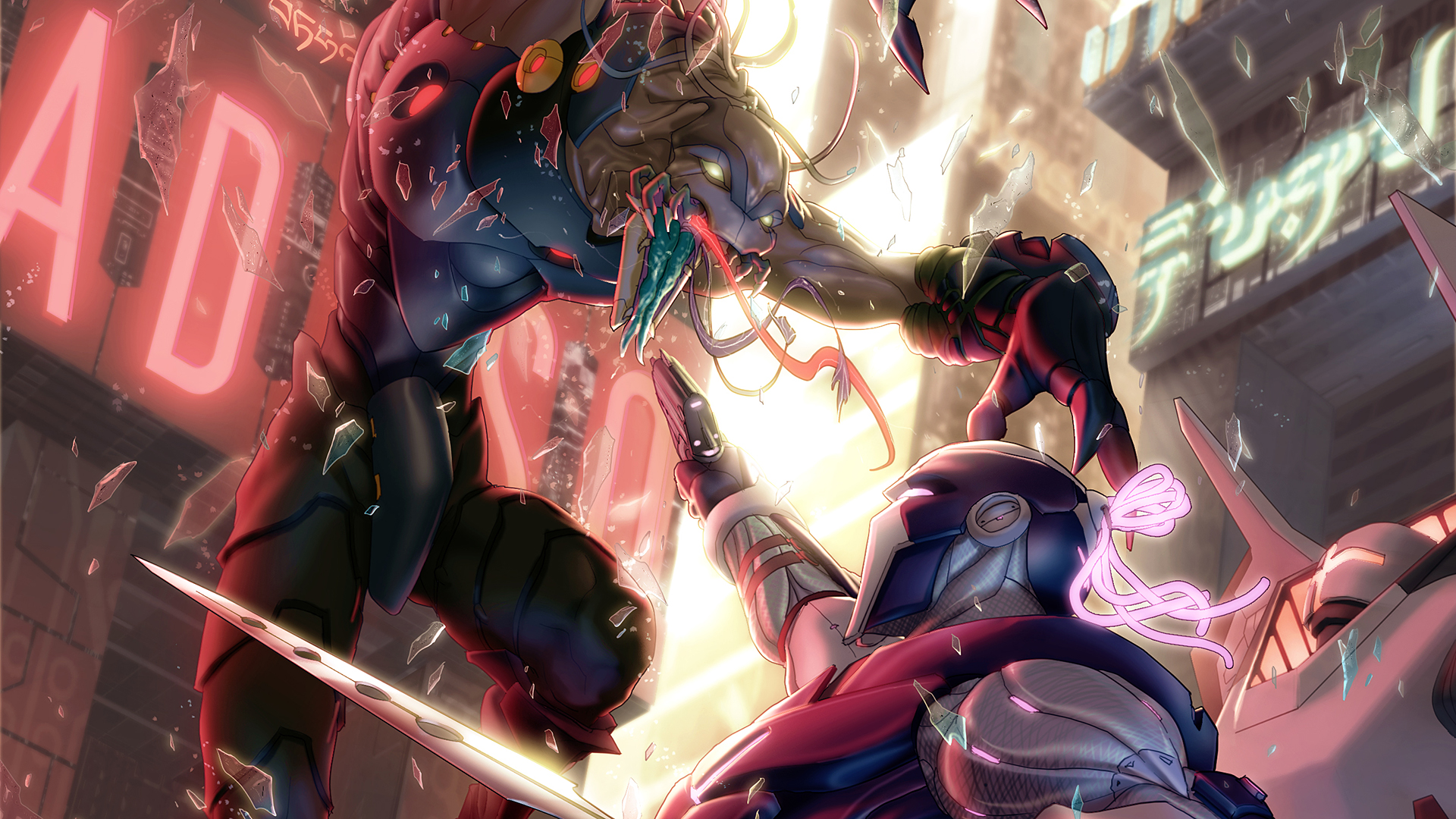
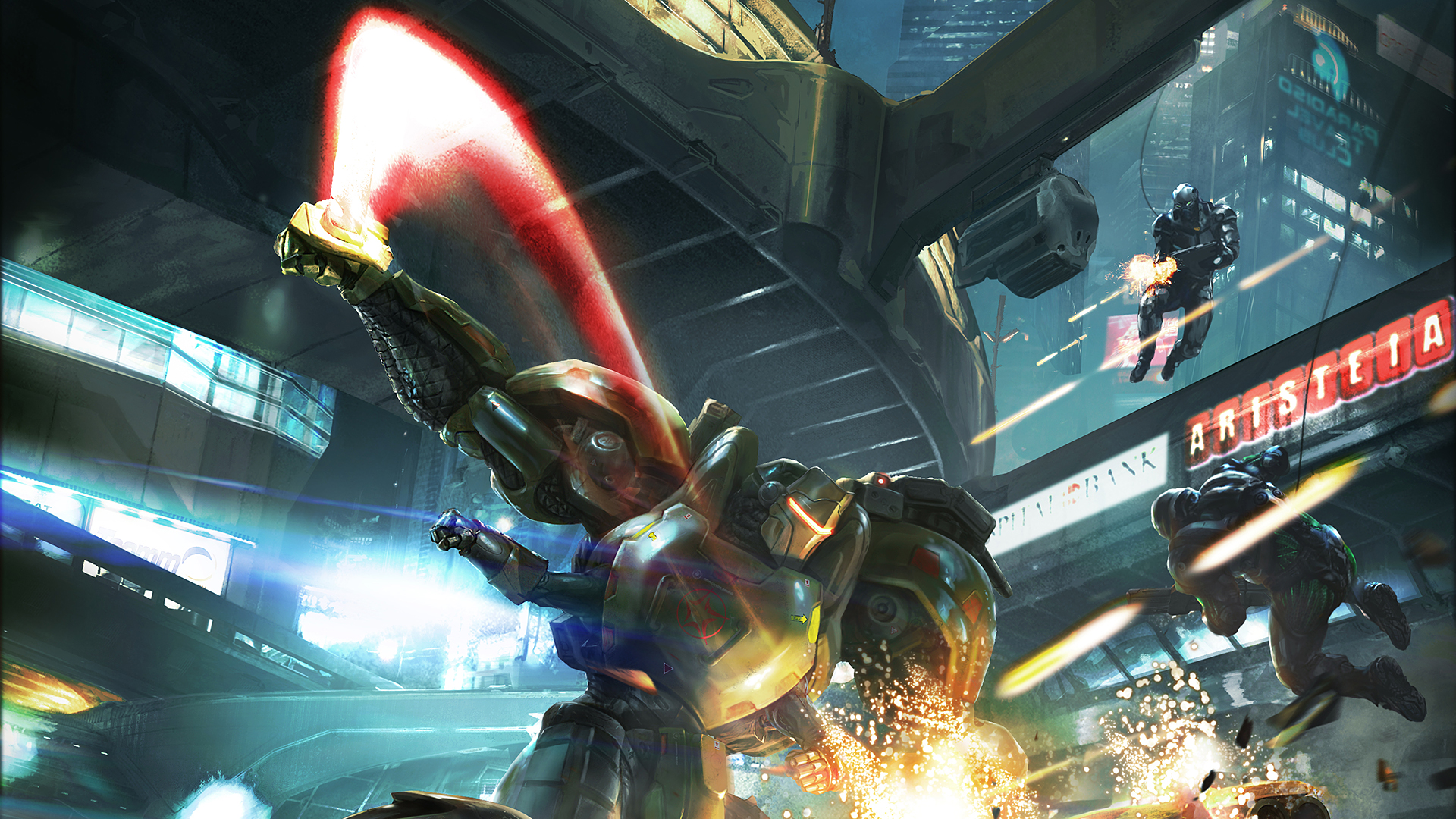
Writing Adversaries for the Infinity Roleplaying Game


Adversaries! They're adversarial.

For those who don't know, Infinity is a rich sci-fi property, popularized by a rather clever tabletop skirmish game. It's a pretty fleshed-out setting - the core product has two books in a slip cover, one for rules and another for setting exploration - that originally grew out of the creators' homebrew RPG world. Things have come full-circle now, and after a top-5 grossing RPG Kickstarter (top 3 when it funded), there's an RPG that should be coming out quite soon.

At least, if I have anything to say about it.

You see, I was a Kickstarter backer for this bad boy. Then after some time, I signed on as a freelancer to help get the core book content complete, which was a thrill and a half, let me tell you what! As both fan and developer, I've got extra incentive to make something awesome, as I not only take pride in my work, but fully intend to use it to run my own games. I want to be accountable to the legions of great fans - because I'm one of them. 

And the rest of us know where to find me online. So if I make something that doesn't live up the standards already set, you best believe they'll let me know about it. 

All of that goes into my process. 

The Assignment

But before any work gets started, you need something to work on. In the case of Infinity, our line developer - who has a freaking phenomenal blog over at thealexandrian.net, by the by - sends out some assignments, and we get to work. For writing adversaries - the NPCs who will provide opposition to players in Infinity - my schedule's pretty much been as follows:

Step One: Research

In a game like Infinity, there's already been a lot of ink spilled about anything you might be writing; an extant body of literature, if you will. You might think that makes things easier, and in some ways, you'd be correct; there's a lot to work with. On the other hand, that means there's a lot of information to digest, and some of it will be ridiculously specific. Already being pretty familiar with the Infinity setting in general, I still wanted to get a robust understanding of each unit before I started writing anything. This usually included:
  • Reading any unit writeups in existing books (not time-consuming)
  • Checking the mechanical writeups in existing books (quick, and a good relative reference)
  • Cross-referencing any mentions of the unit in existing books (CTRL+F is your friend)
  • Getting a good look at the miniature unit, in
    • Official Paint Schemes (Infinity has an official painter, his blog is amazing)
    • Unofficial Paint Schemes (Go Go Gadget Google)
    • Concept Art, if available
    • In-book Art
    • Fan Art (because sometimes people really love something)
    • Cosplay (because sometimes people really love something)
  • Conversation with gamers of various stripes on how the unit plays (gamers are opinionated)
  • Lurking through different forums to find how a given unit is perceived (looking for trends)
  • And in the case of real-world references, any pertinent details that relate to the unit (important)
Sometimes I'd do less, sometimes, I'd do a whole lot more, but hopefully you get the idea. During this process, I'd take down notes of anything that jumped out at me - text I wanted to reflect in my writeup, how a given unit tends to be used, and my thoughts on how applicable (or not) that is to the RPG context, and anything else that springs to mind.

Basically, I vomit ideas into a Google Doc, to be referenced later. Pleasant!

Step Two: Base Mechanics

Based on my research, I'd then try to figure out the unit's mechanics in the 2d20 system. For those unfamiliar, 2d20 groups adversaries into three distinct groups: 
  • Troopers, who are your mooks and cannon fodder. They're comparatively easy to take down
  • Elites, who represent more of a challenge, both in capabilities and toughness
  • And Nemeses, who are roughly as capable as a PC in most respects
Adversaries are represented a bit more abstractly than Player Characters, which makes things easier on GMs, but they otherwise work pretty much the same, and are sorted into these roles1 for the GM's convenience. A take on this system shows up in the excellent Mutant Chronicles 3rd Edition, and you can see some of the inspiration in Jay Little's last game, Fantasy Flight's  Star Wars Edge of The Empire RPG.

Goodness, do I love both those games. Anyway.

For doing this, my first bit of translation comes in. What kind of role does the unit play in an RPG? This goes beyond classification. A mediocre troop in a wargame can become an unholy terror given a different context, and the Infinity RPG is about much more than people trying to whack each other2, and that makes a real difference in the role of a given character type.

Additionally, there might be stuff from their overall description that doesn't quite jive with how the mechanics represent them, or with how players tend to use them. Regardless, I try to find a role for them within the context of the RPG. Maybe somebody's a great mid-distance foe, hacking the PCs' gear, making trouble for them just outside of reach. Maybe somebody's a scary up close and personal berserker, but they lack staying power. Another might be best suited to head up a squad of mooks, who become much less of a problem without their leadership, kind of like a video game boss.
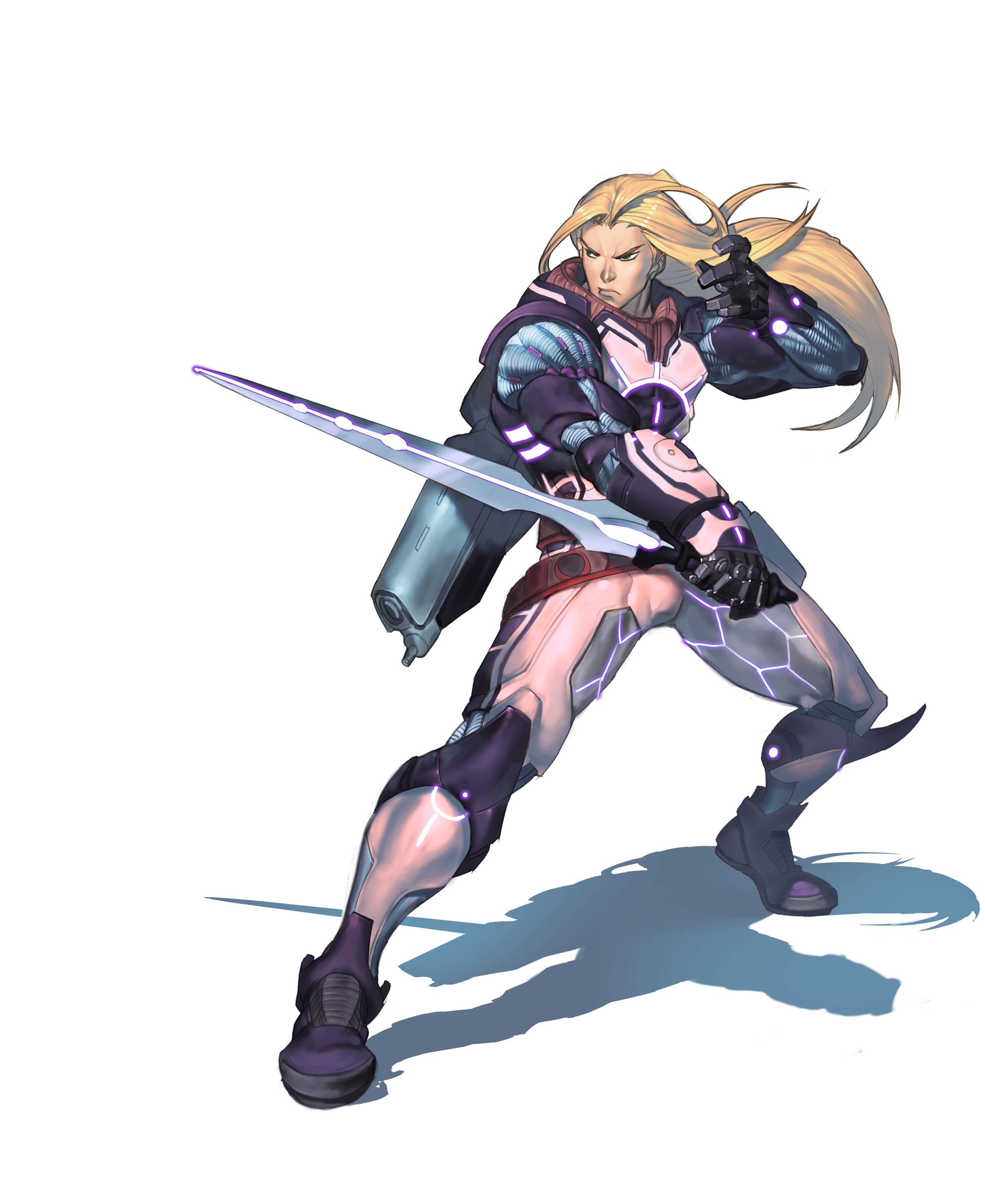
Cyberpunk Achilles is a Special Snowflake
I didn't do his writeup. But he looks cool.

Whatever shape that takes, I try to think about where they might show up, what they're like, and how they interact with PCs.

Step Three: Unique Mechanics

A continuation of the last step, most units have special skills, much like a PC. Unlike a PC, we want to keep these to an relative minimum, so that GMs have less stuff to keep track of. Sometimes these skills are less powerful than a PCs nearest equivalent, sometimes they're stronger, but the point is always to give the GM something that really expresses the character in a clean, mechanical way.

This is where the units' distinctiveness can really come into play mechanically. (Note: the following shouldn't be considered a preview or anything - this is all off the top of my head. I don't talk about things that haven't been released to the public, as a rule. The Adversaries chapter should be coming soon, I'm sure!)

So in our above example, maybe that hacker gets a bonus to avoid detection, leaving the PCs scrambling to find out who's messing with them - the PCs need to get their hands on'm. Maybe that melee berserker gets a damage bonus, but only at close range - the PCs might want to keep them at a distance. Maybe that commander gives a bonus to Troopers grouped up with them - the PCs should strongly consider cutting off the head of the serpent.

The idea here is to use mechanics to give each unite a niche to fill. They should feel different, and different strategies should yield different results. Also, if a given character has an in-world reputation - like say, masters of hand-to-hand combat - then the unit should feel appropriate when players encounter them3.

I'm also lumping Gear into this category - what weapon loadouts, gadgets, and random crap people have on them is a great way to differentiate units, so long as I don't get carried away. Give the GM too much to keep track of, and you run the risk of things being forgotten or missed entirely once play begins. Concise, and useful - that's the goal.

Mechanics inform play. And they inform character besides. Which is why this step comes before the next one, which is...

Step Four: Actually Writing the Blurb

About 100-150 words of description, which sounds a lot easier than it is. On one hand, I accidentally puke out 150 words before I even introduce most topics, and I've probably got at least a thousand from my notes. On the other hand, I have so much information I want to pack in, and 150 words isn't much to do it in. RPG manuals are already huge, and you don't want to bloat up the page count, and give GMs an ocean of text to wade through.

Clear. Concise. To the point.

Sometimes people ask me what I learned in college. There are many answers to that, but from a freelancer's perspective, one of the most useful was how to write small. I came into journalism school able to write a pretty evocative 1,000-word article. I had just a hell of a time condensing that down into 400 words, let me tell you.

But that was good for me. And it comes in real handy with assignments like this.

So yes. Capturing the essence of the character's role in society, showcasing their distinct style and "feel," giving the GM some idea as to where they might use this kind of character, and some idea of how they operate differently from "tough mook #3," and maintaining a respectful nod or three to their legacy and description from the tabletop game.

In a hundred words.

This is the fourth step in my process for a reason, as I find it very useful to build on everything that's come before. Of course, that does tie into the next step.

Step Five: This is an Agile Process, There Aren't Actually Sequential Steps

Maybe I'll come up with something that's true about the unit's behavior in step four, but it'd be better expressed as a special ability. Maybe I'm trying to express a given background through the unit's skills, and I realize there's an opportunity for a nice bit of writeup. Maybe I realize that I haven't done nearly enough research, and spend a couple hours learning about a new religion.

Maybe I look at everything I've done in the writeup, and realize that my base mechanics are flat-out wrong for this incarnation of the unit, and I need to redo them, nevermind that it's going to be a little different than the tabletop game. The RPG is its own thing, and it needs to be. Maybe I gave a particular unit short shrift, because they're just not that big a deal in the tabletop world, but that's just not true of them in this context. Maybe I emphasized the wrong thing based on their description, or maybe their model really begs me to create a custom weapon that's not in the existing rules, but is a huge part of their visual style.

Maybe everything I wrote is crap, and needs to be burned to the ground.

Point being, these points all feed into each other, I don't treat it as a discreet process. Although the next step is an exception; it needs to come at this point, when I'm essentially content complete.

Step Six: Take a Dang Break

For real. Step away from the Word Document, possibly the computer, and give the work some time to ripen. If possible, I go to sleep during this period.

Step Seven: Editing, Rewriting, and Making Sure I Have Not Made a Terrible Mistake or Seventeen

This content is terrible! CUT IT.

Sanity check time! Spelling, grammar, format - all important stuff. Then I read the damn things, front to back, forcing myself not to skip. Often, I read it aloud - that changes things! - to try and get the feel of each unit description as its own thing. RPG books are as much technical manual as fiction, and people both need to get unit info by skimming, and a more detailed representation when planning.

I'll change things here, rewrite whole chunks that sounded pretty great at the time, I swear (they're hot garbage.) Sanity check again to see if I'm missing anything.

Read it again.

Walk away. Again.

Come back, give it a last read-through in casual fashion, just to see if anything jumps out.

Deep breath.

Submit file.

Exhale. Probably whoop, because 6 years of university and 2 years of professional freelancing has taught me many things, but none of them have convinced me not to bust some moves when I finish a project.

I JUST FINISHED SOME PAPERWORK

Step Eight: Sometimes You Write Revisions and That's Okay

Sometimes my editor sends stuff back. This makes sense, as my word-to-comment ratio is probably something like 2 to 1, and some of those comments become conversations, which in turn become changes. This is a good thing! I cannot stress that enough; editors are supposed to edit, that is literally their job (though not all of it). I once had a student, brilliant writer, smart person, great taste in music. They were interning at a popular music magazine, and had been given the opportunity to submit an article.

They were incredibly down about it.

When I asked why, they informed me that they'd gotten their article back, covered in red pen with proposed corrections.

"They think I can't write," they said.

I smiled. "They know you can."

At a high  level, writing is as much about re-writing as anything else. Also, frankly, there's a reason why even professional copy editors get other people to edit their work - there are some things that another pair of eyes is just flat-out better at catching.

Trust me, as someone who's taken their share of red pen to articles, more marks isn't a bad thing - if something sucks, I'm not putting in the effort to critique every line. Thanks for coming, here's your crappy grade for putting in the minimum amount of effort on this assignment, I look forward to you arguing about how this shouldn't have been a C come finals week4 , please enjoy your day.

Anyway. Revisions come, and I try to get them knocked out same-day. Being reliable and hitting deadlines will get you pretty far in life, and while I always strive for excellence in all I do, I pride myself on hitting my damn deadlines. So I try to prioritize rewrites whenever they come my way, as they're usually expected ASAP.

Step Nine: Drink Coffee, remember you have a blog

Mmmm, coffee. Hey! I have a blog. Better update that.

~Killstring

* * *

1 - By sheer coincidence, subconscious impulse, or my tendency to see everything in threes, this lines up kind of nicely with the categories of Enhancement Talent, Rivals, and Nemeses that I put forward in the last post.. Handy!

2- In fairness, so is the tabletop game, which has hacking objectives, terrain control, and all sorts of stuff that isn't just about killin' somebody's doods. I highly recommend it for people looking for a different sort of wargame.

Having said that, it's still a wargame. You have two sides, and at the end, you have a winner. RPGs have exponentially broader contexts to consider.

3 - Much of the existing Infinity stuff is written from an In-Character perspective, so some judicious skepticism is useful here. When much of the descriptive text for a given unit is, quite literally, military propaganda, you have to balance that against more realistic expectations. This is another situation where a more holistic approach to the setting becomes really important - if every light infantry unit is described an invulnerable war machine with nerves of steel who never retreat, you need some more information.

Wargames are great at both creating this problem, and giving the tools to address it. Not only does the setting have a long history of military conflicts, but you can also find after reports of tournaments and such. 

Thus do the performances of wargamers enter back into the setting's zeitgeist, completing the circle and creating new myths. Hot damn do I like how that sounds.

4 - This happened a lot. Sometimes it was funny, sometimes sad, and about an even split between overachievers and people who attended three classes all semester.  As a teacher, I'm always down to discuss where grades come from, and if I make a mistake, I want to fix it. 

But sometimes there's an attitude of "you'll change my grade, because I'm really likable, right?" Nope! I'll happily help you identify the flaws in your work and correct them, but I do not care about how wide you smile, sorry!